








Exhibition-Lecture at NAI
2026-10-19 18:30 | Naregatsi Art Institute
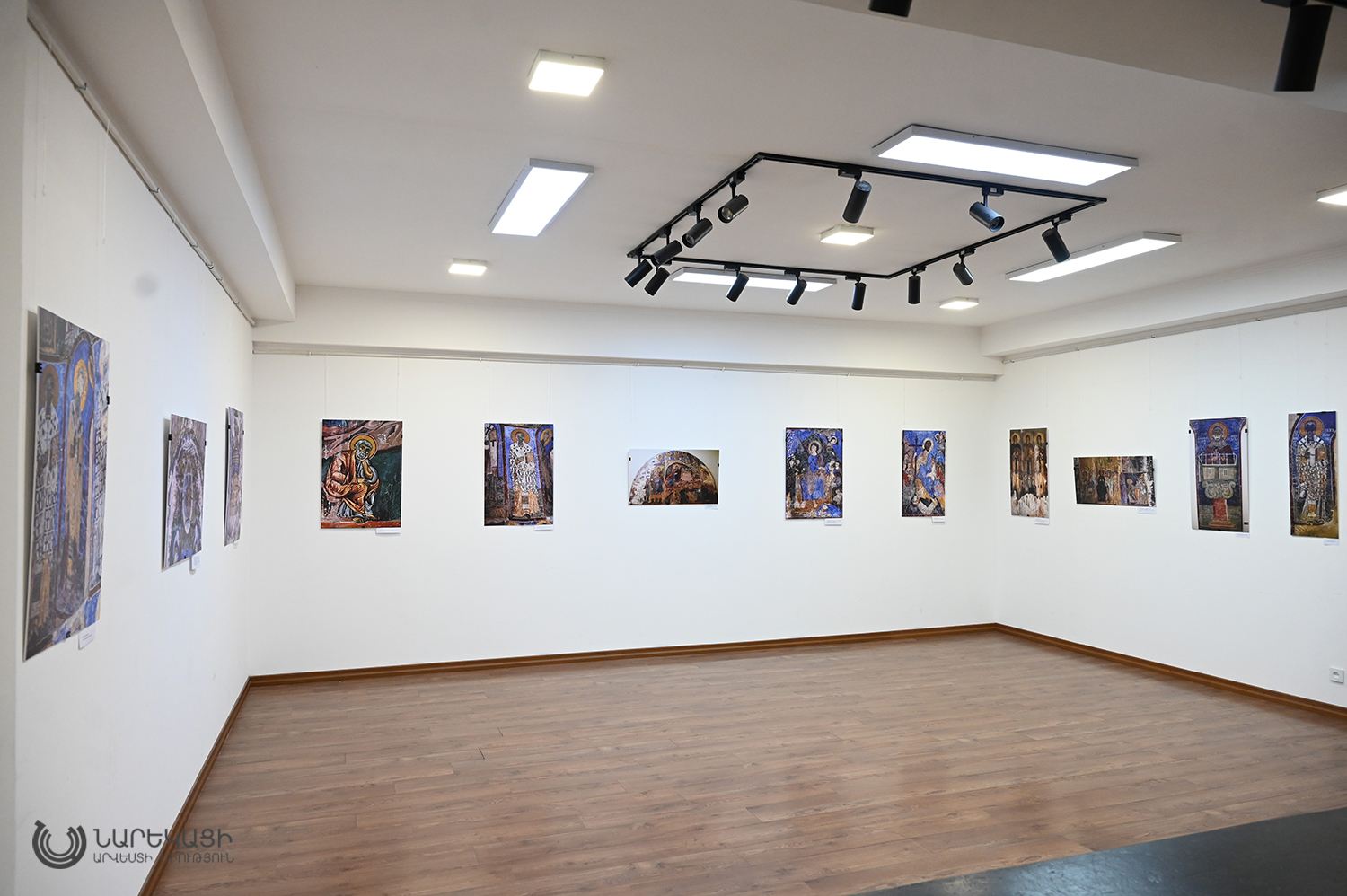
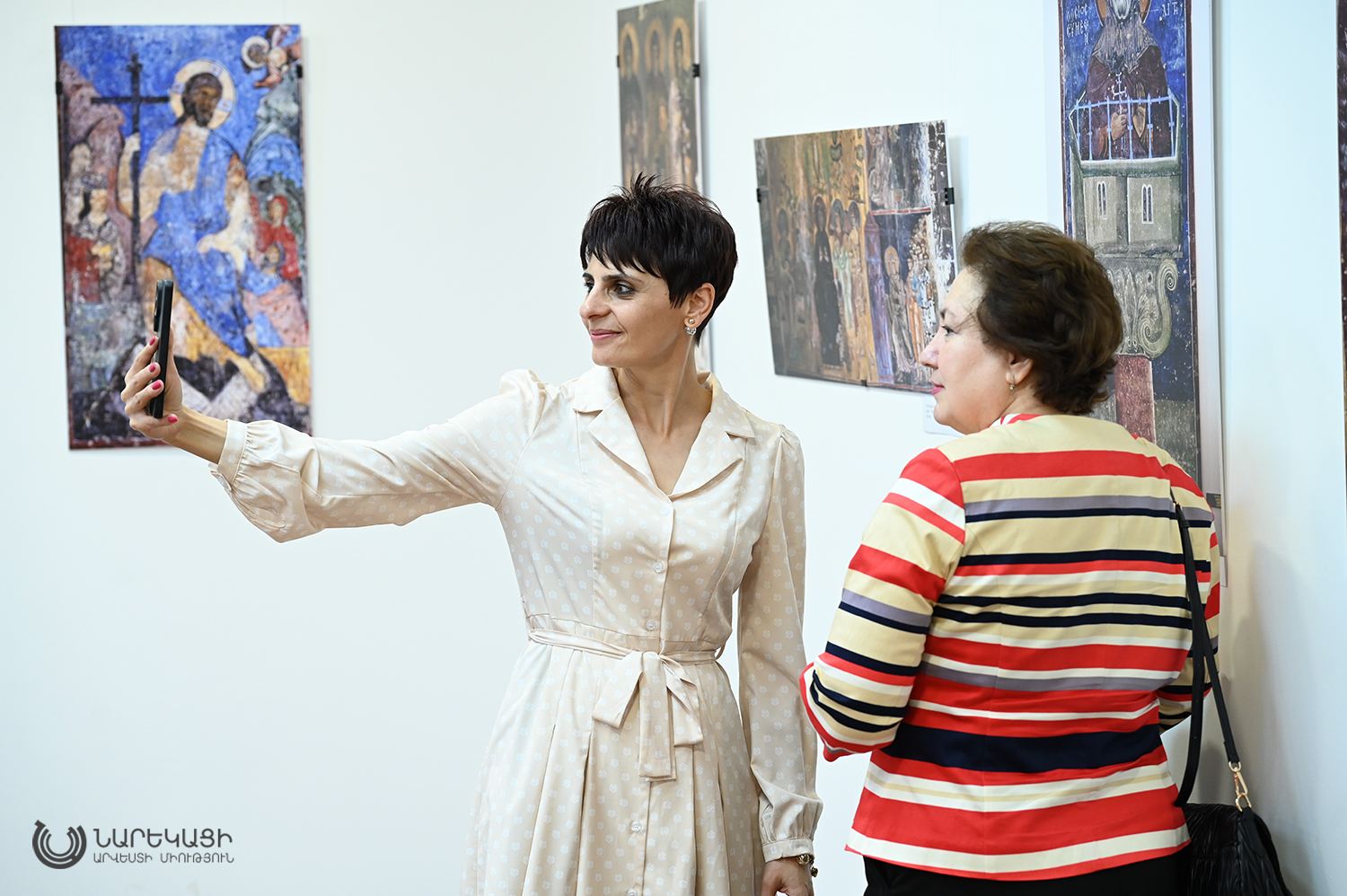
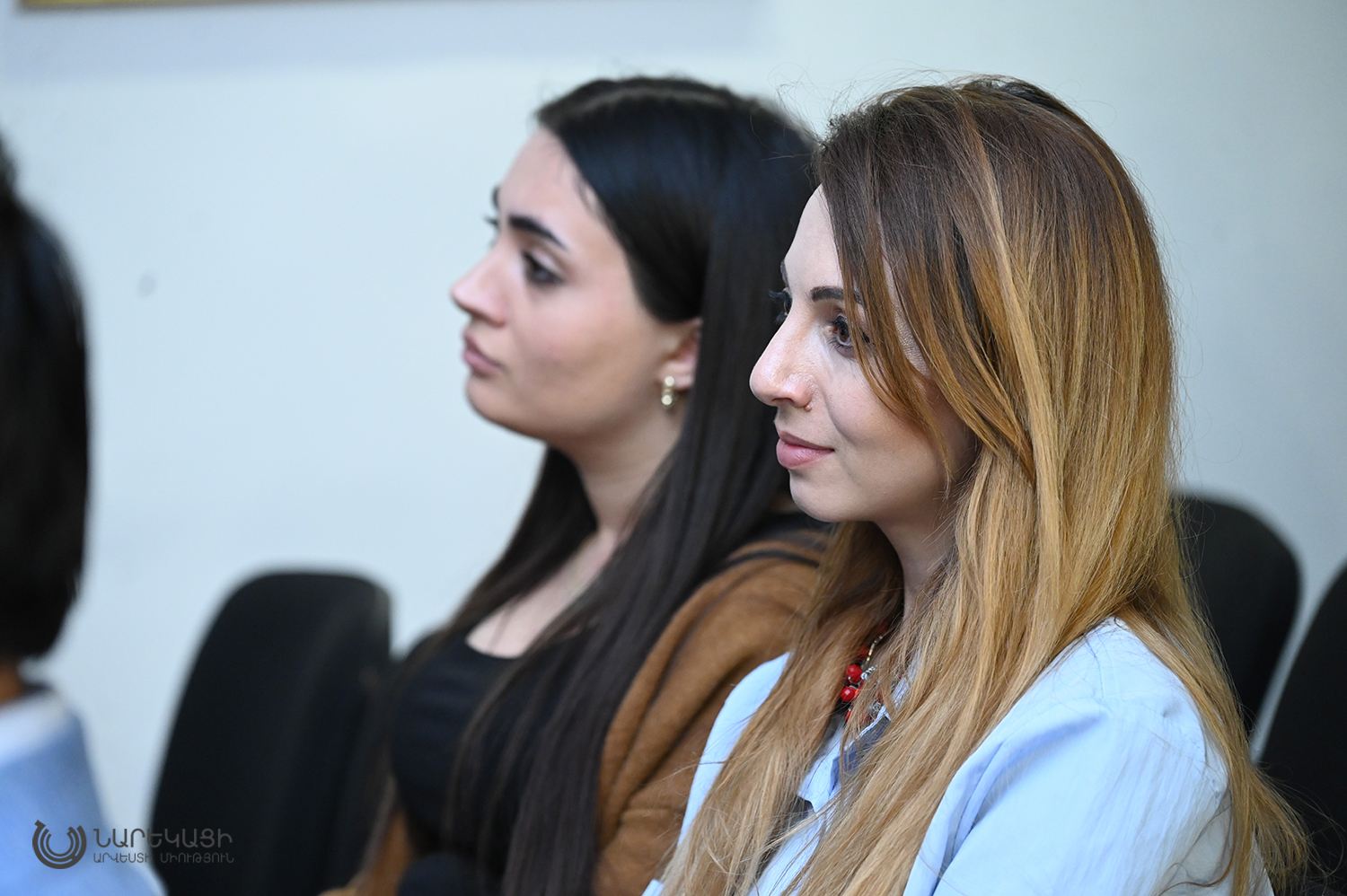
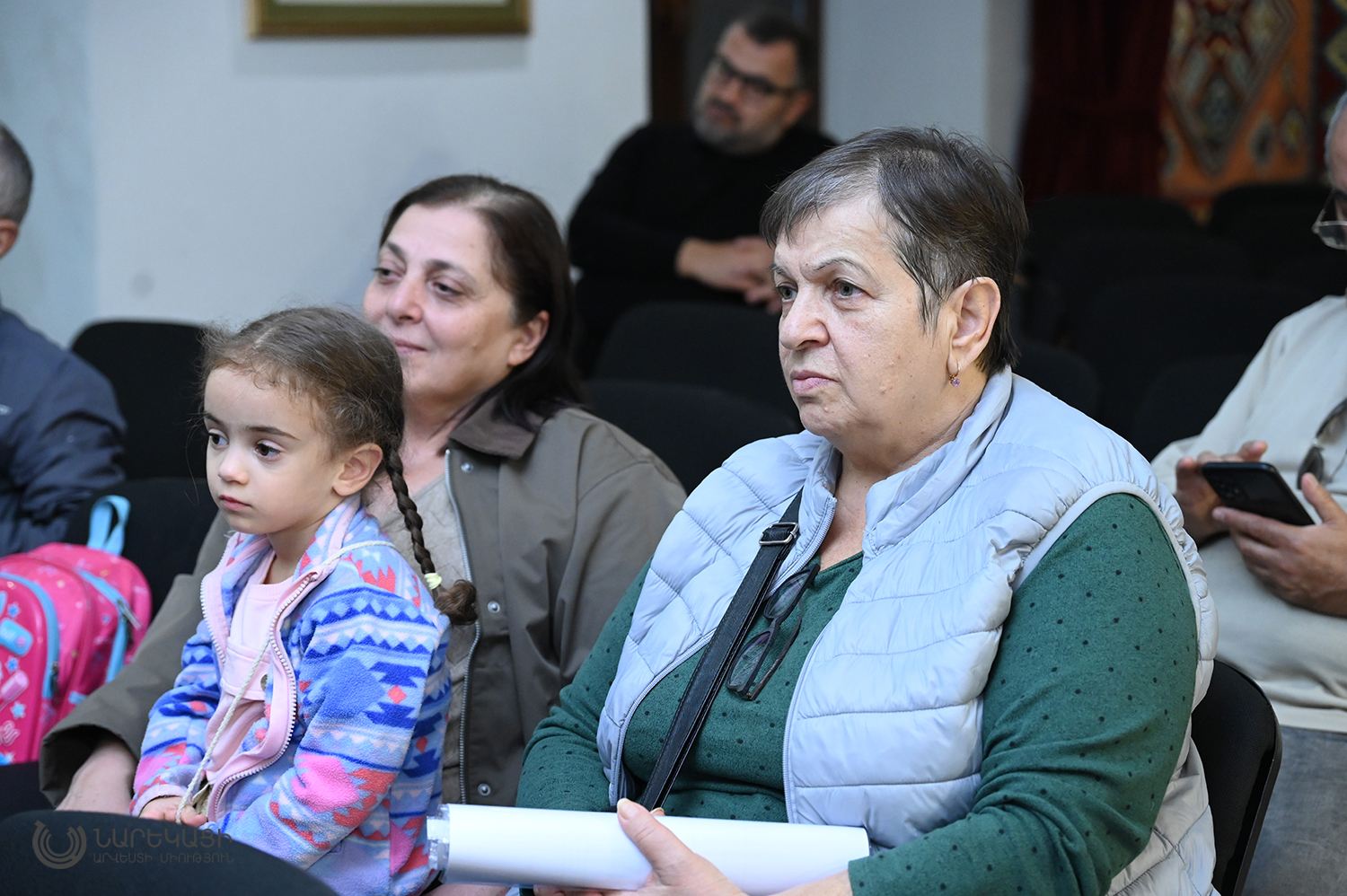
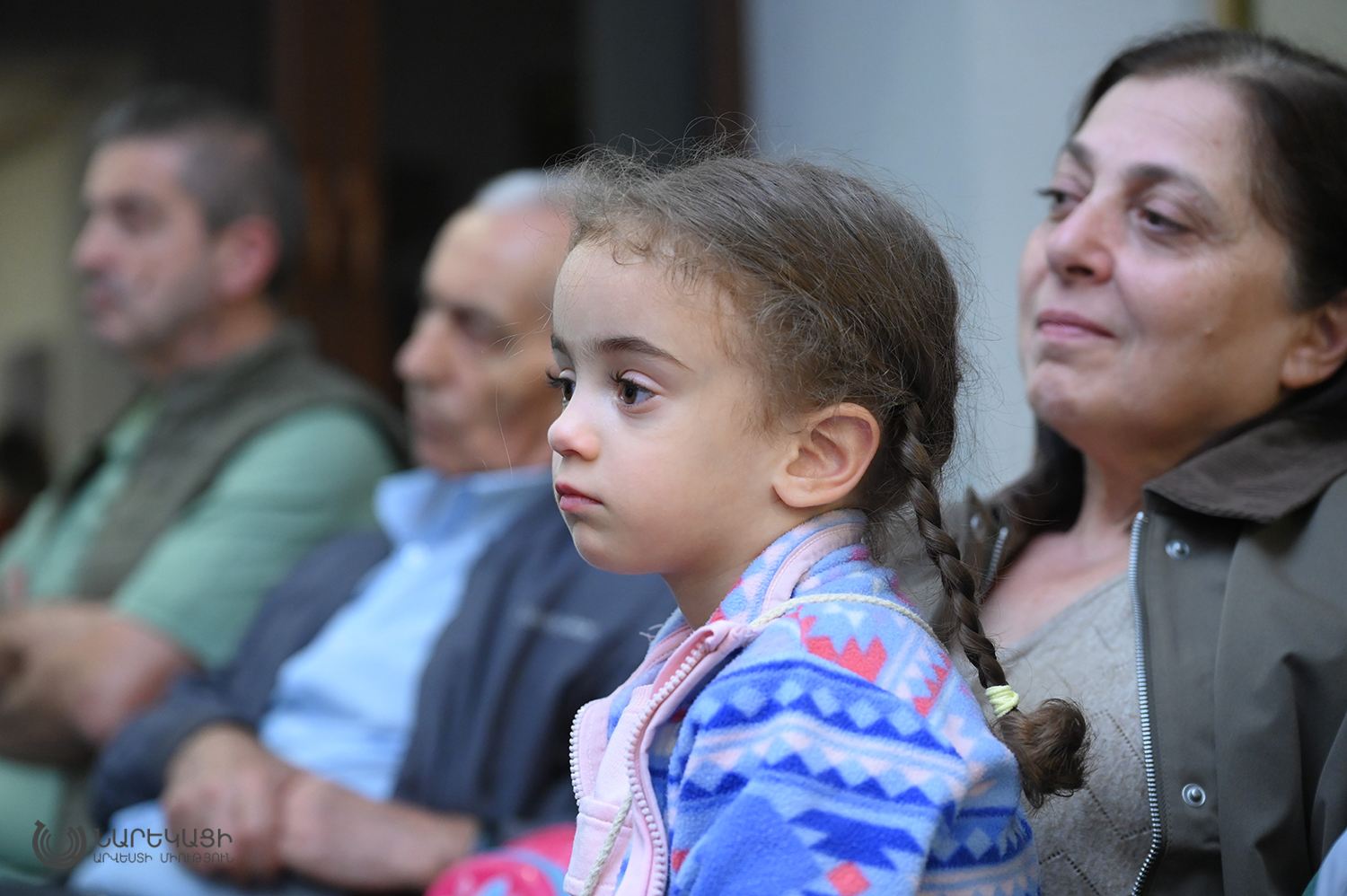
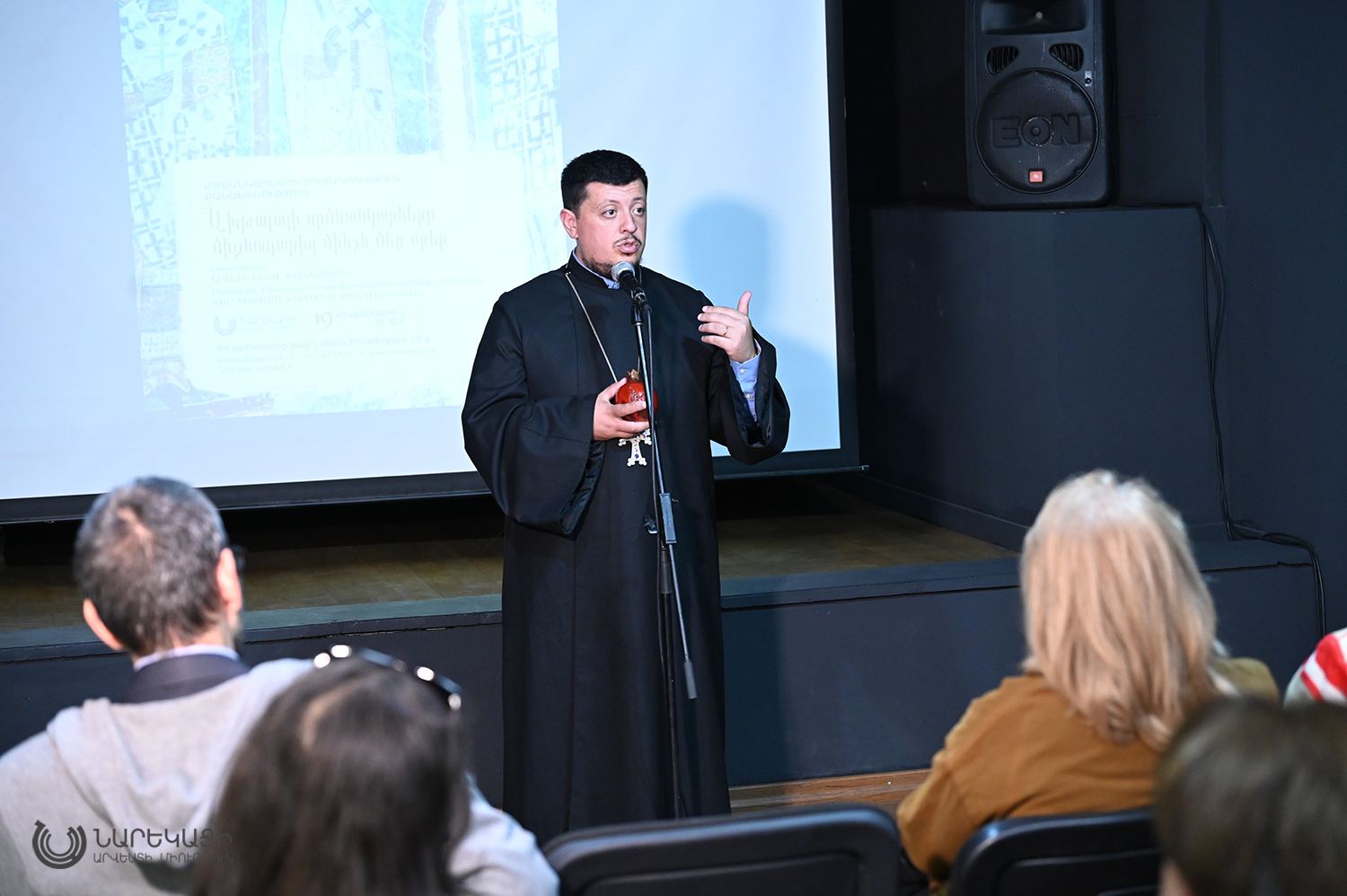
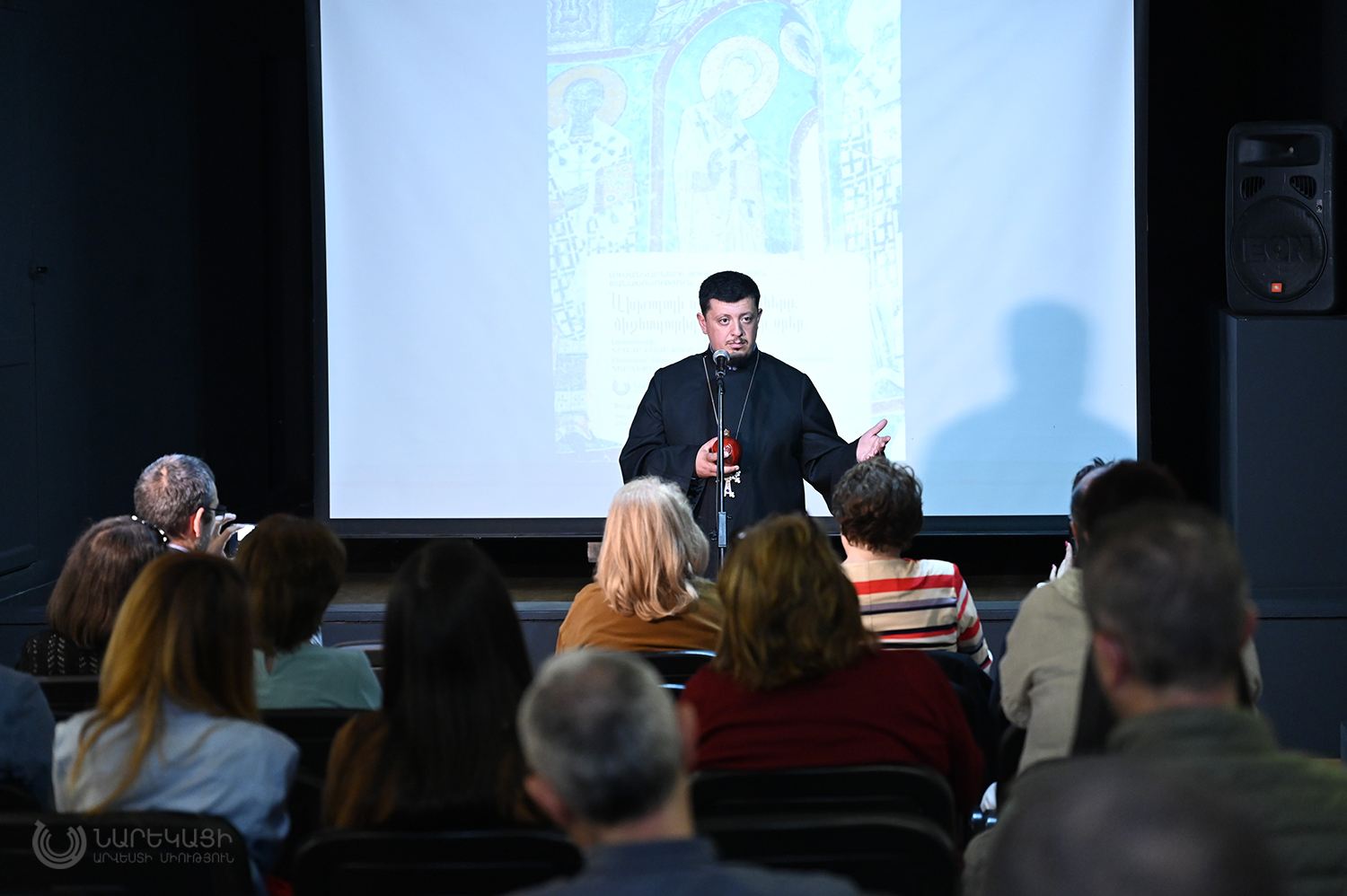
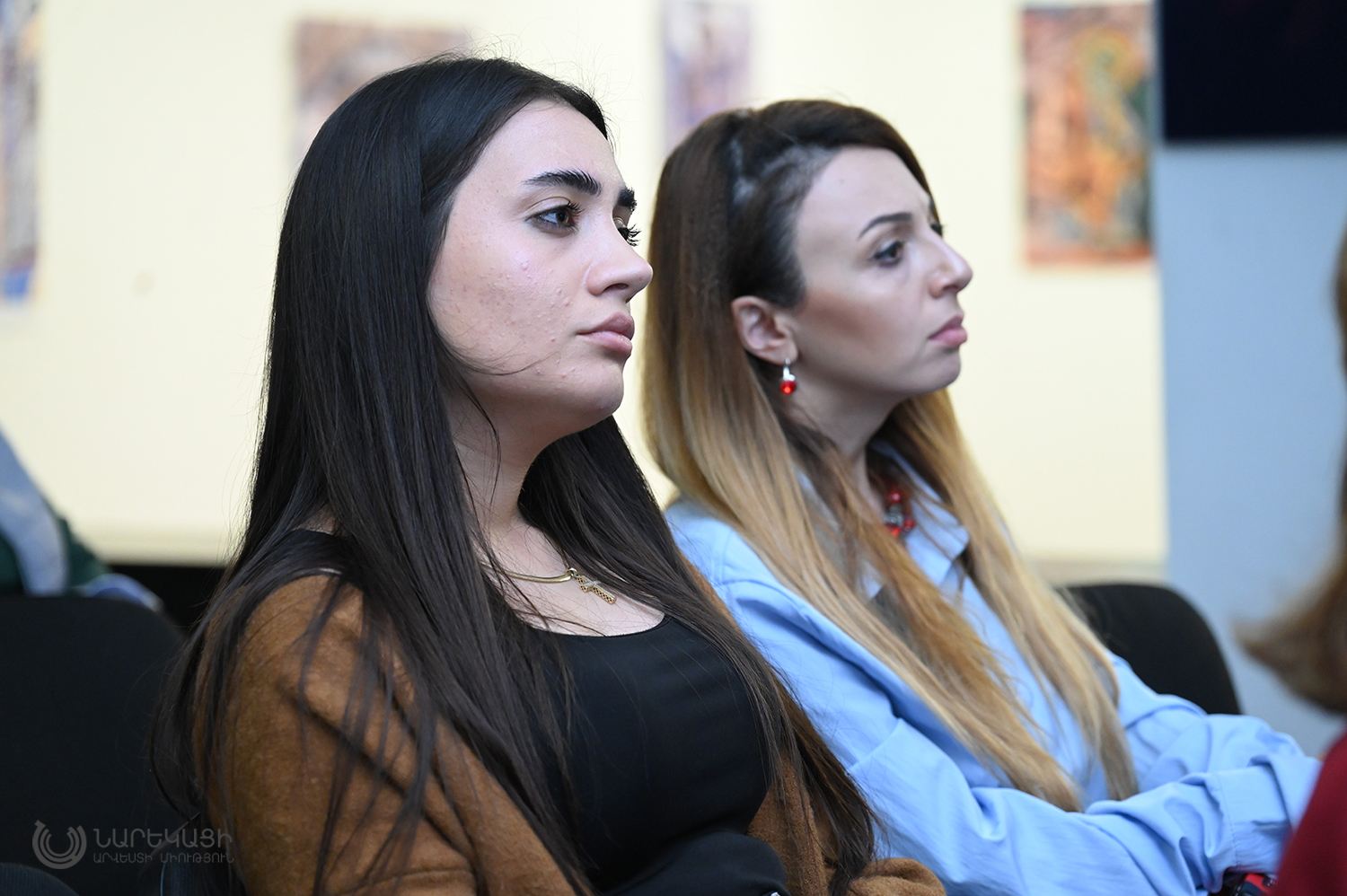
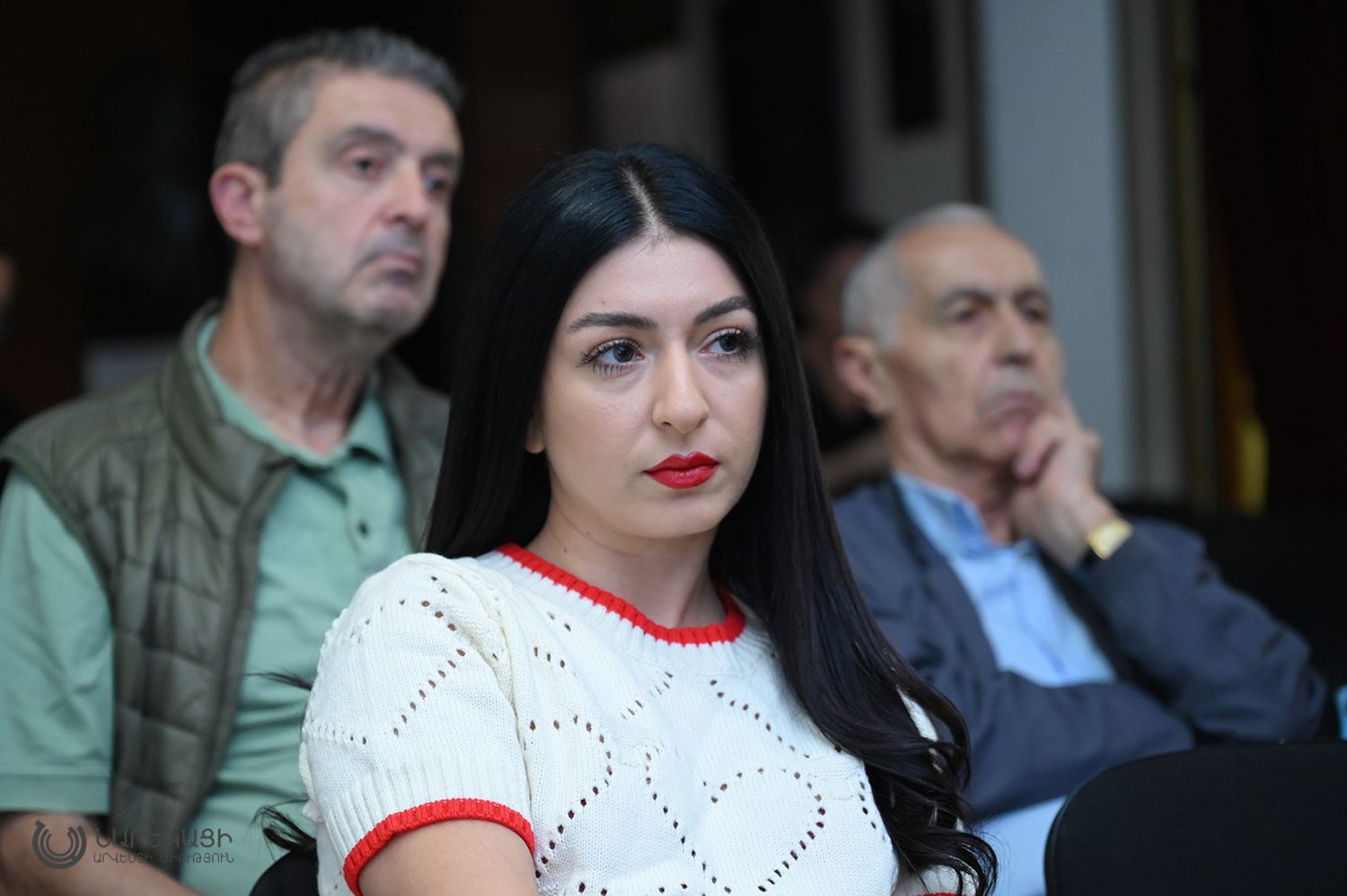
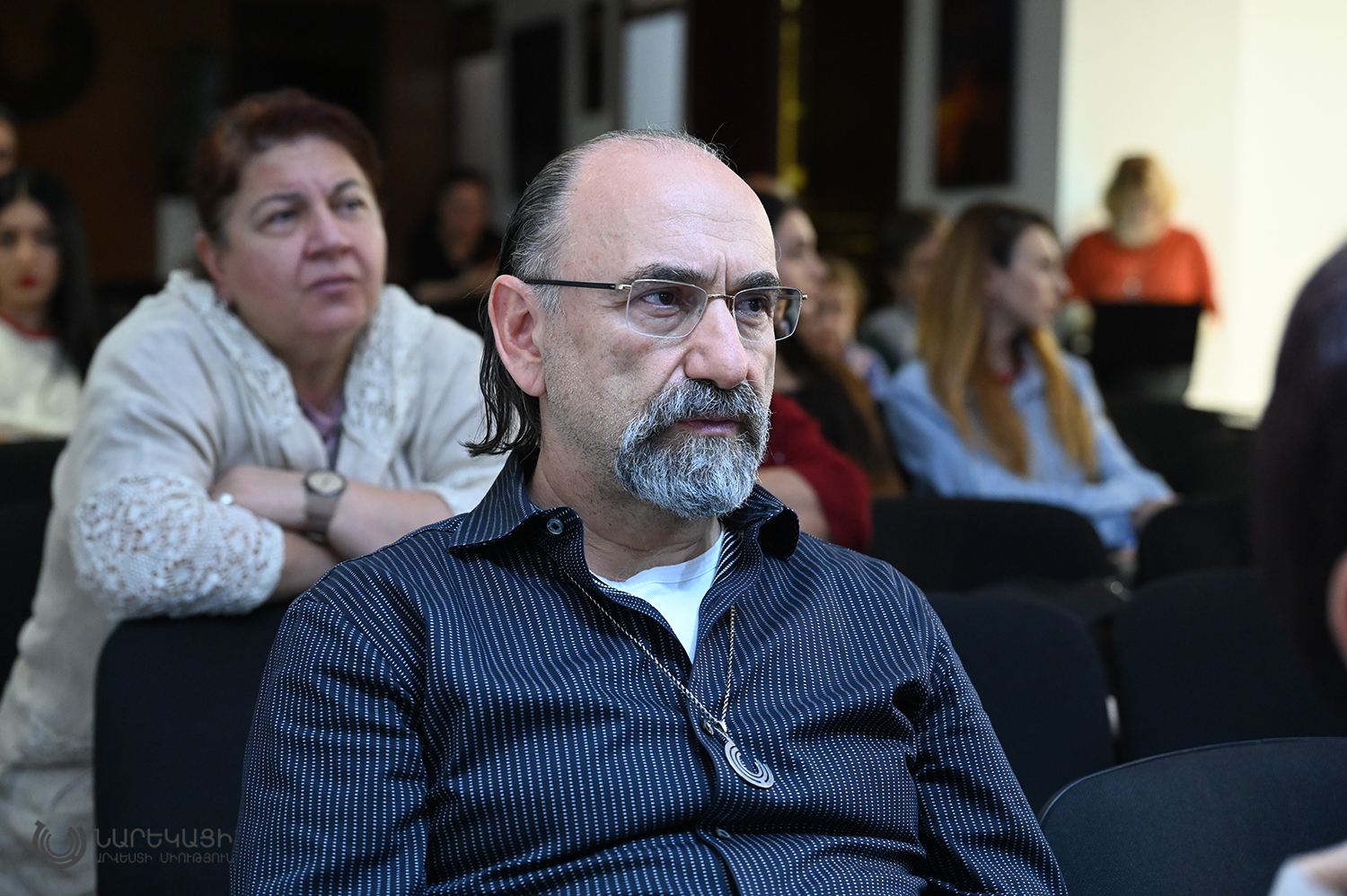
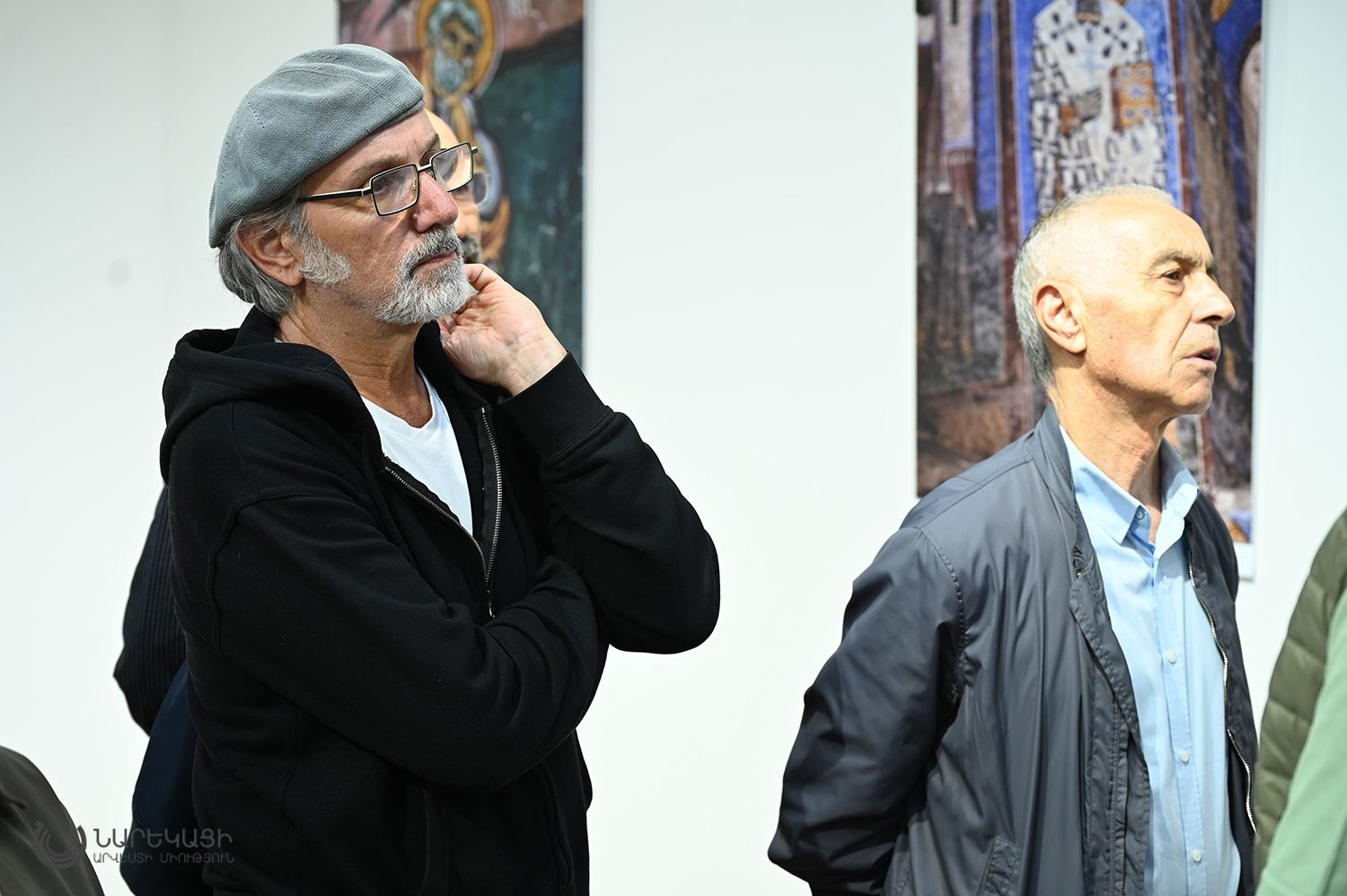
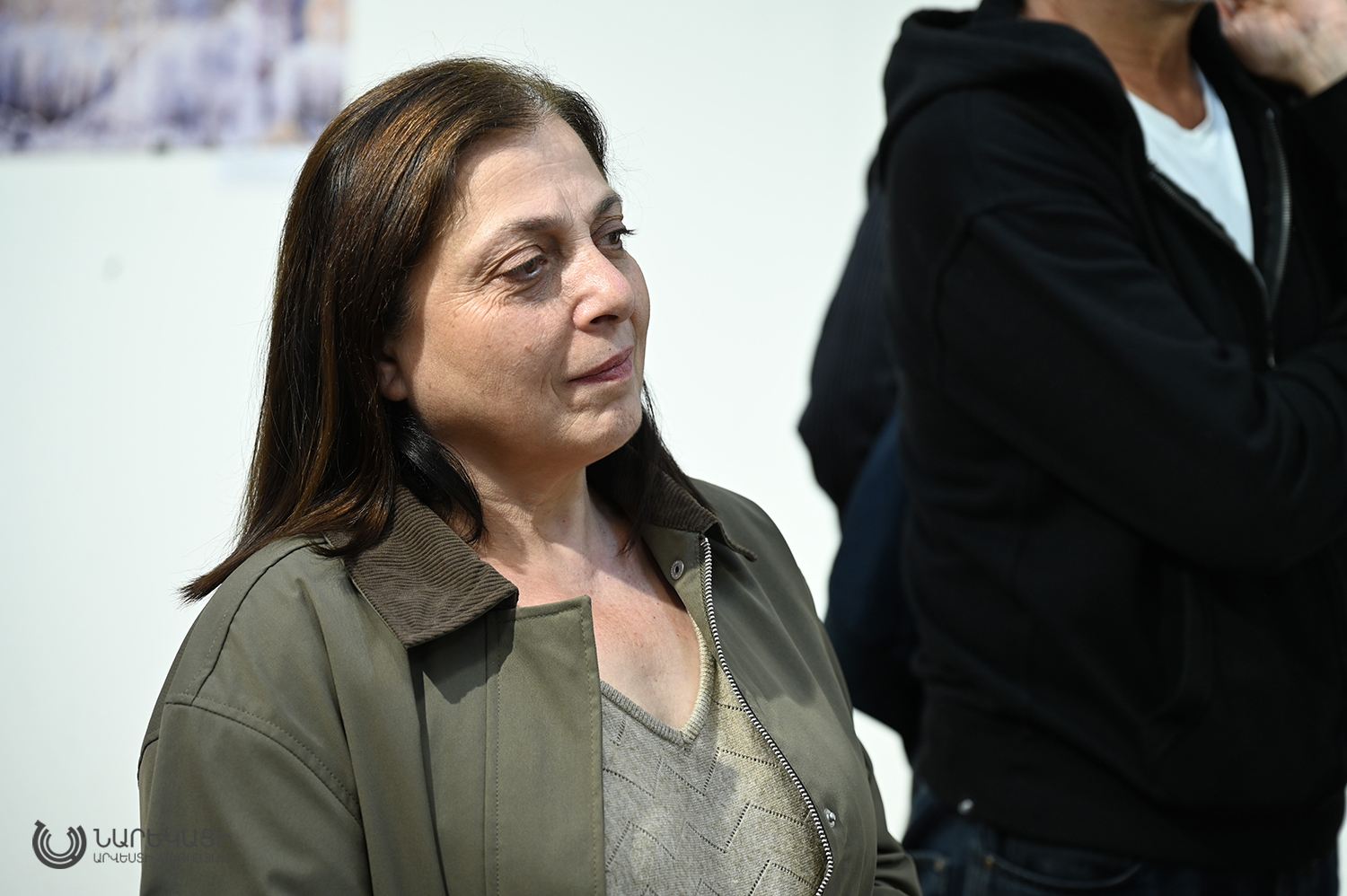
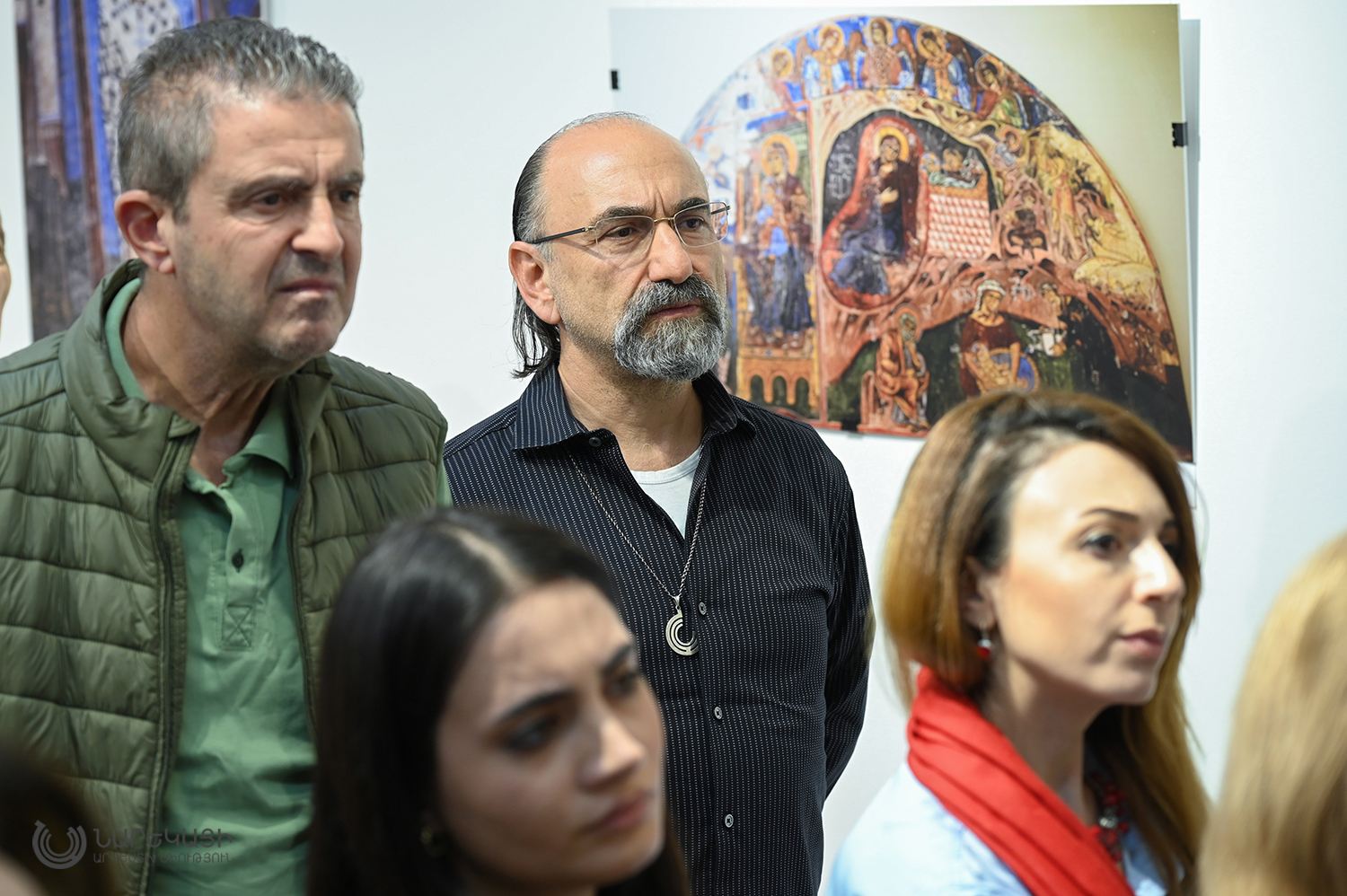
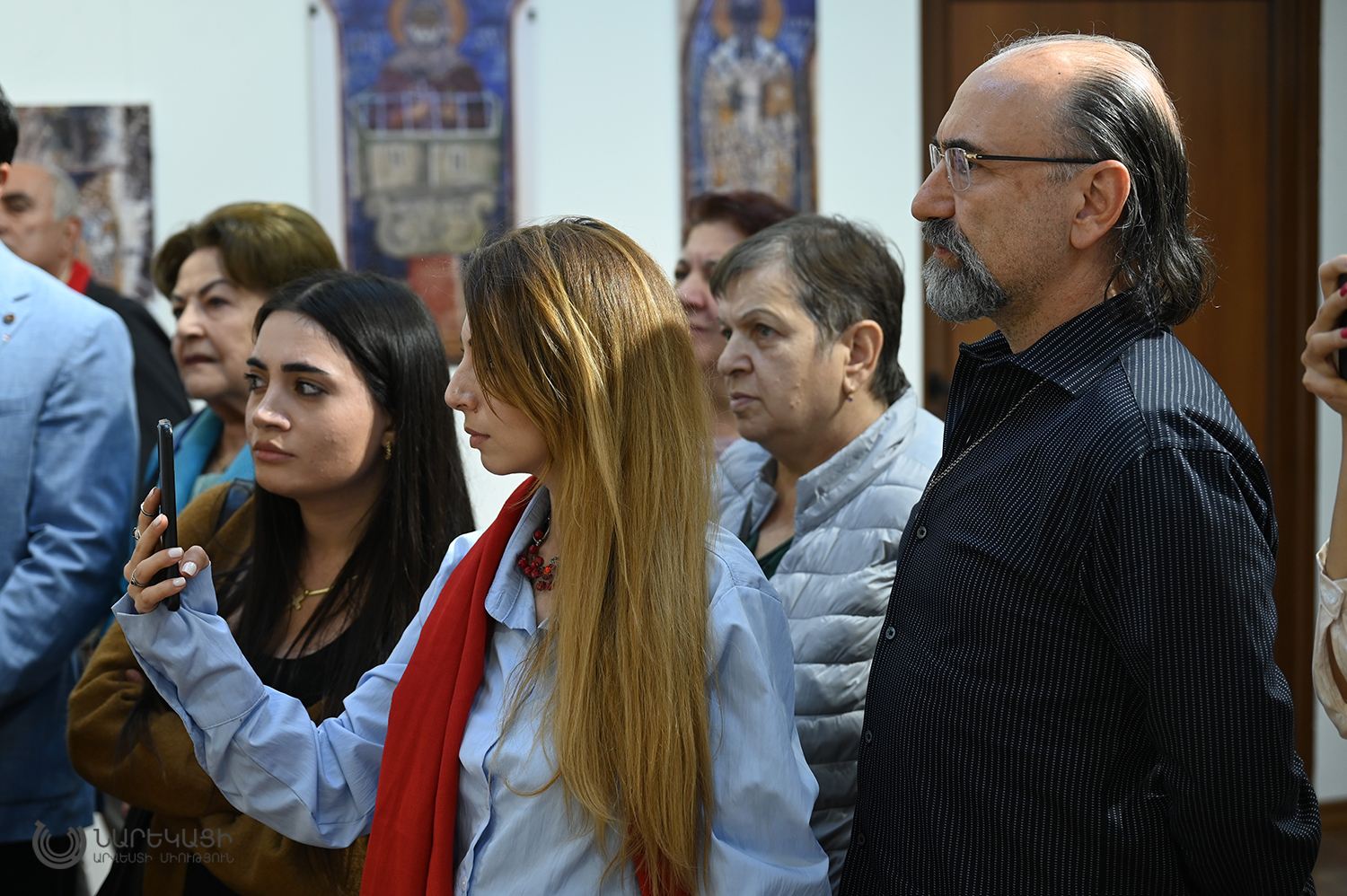
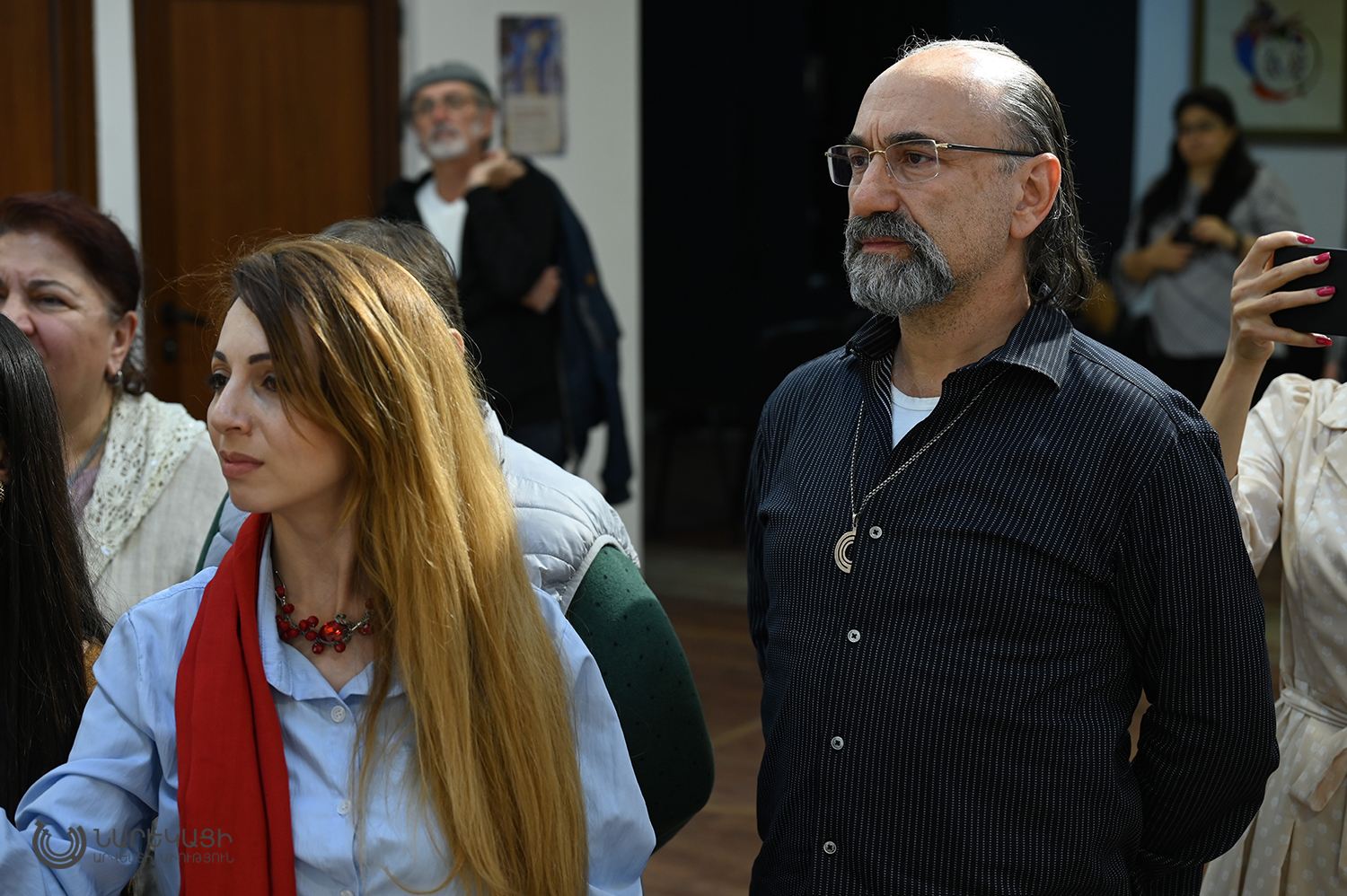
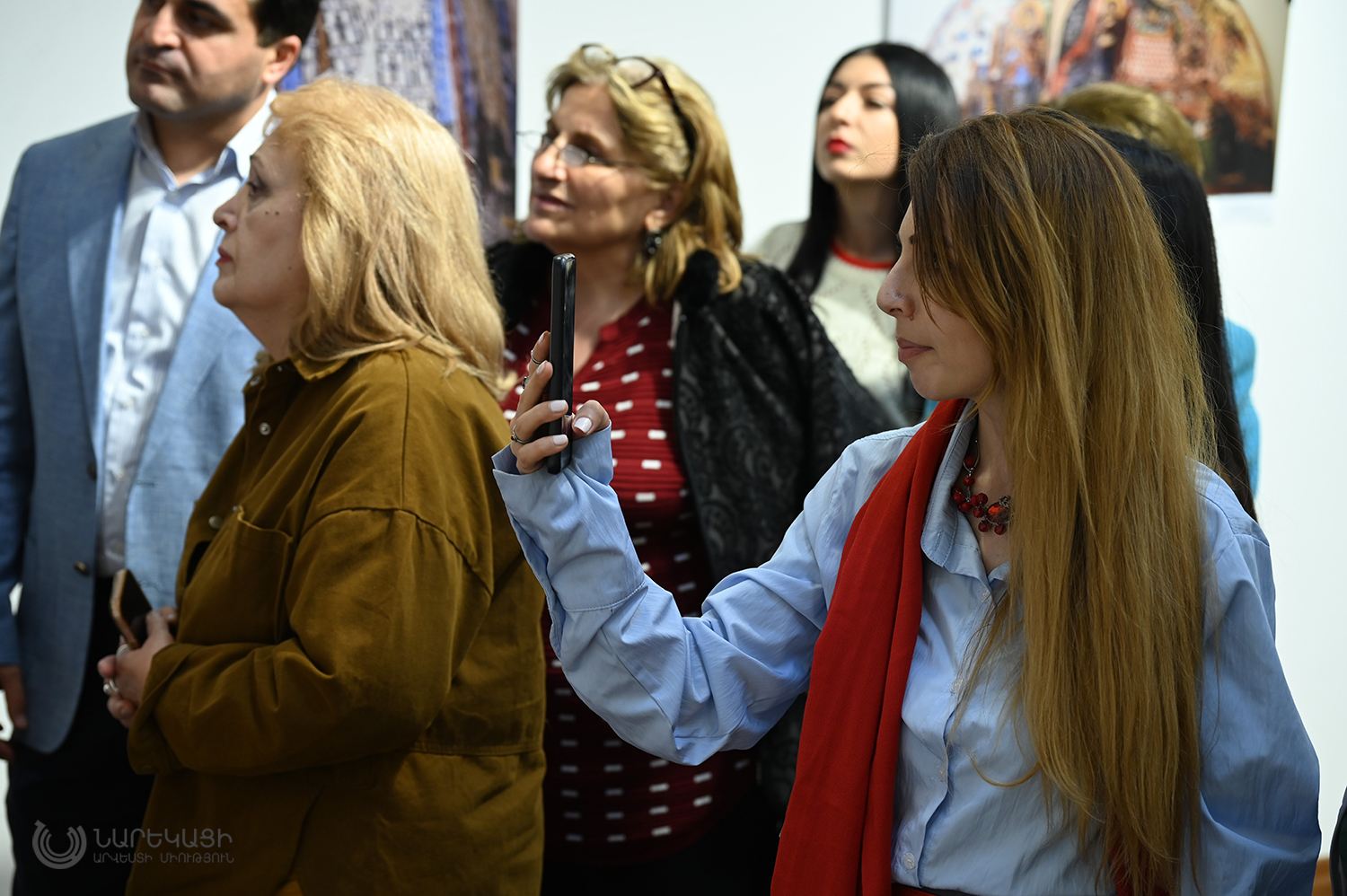
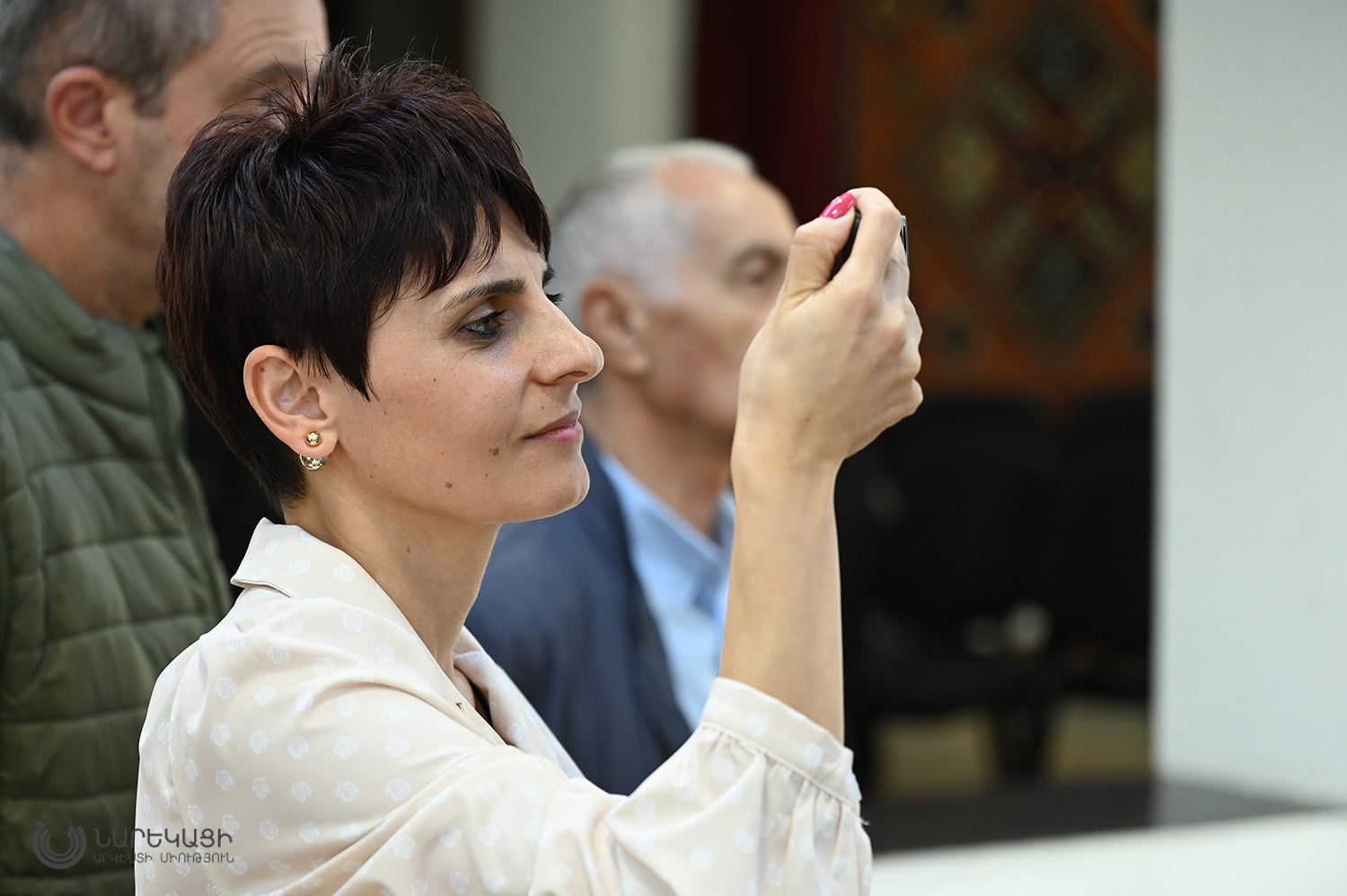
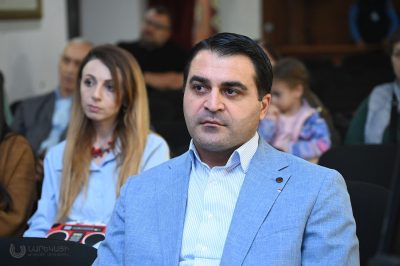
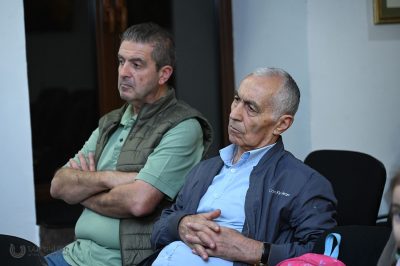
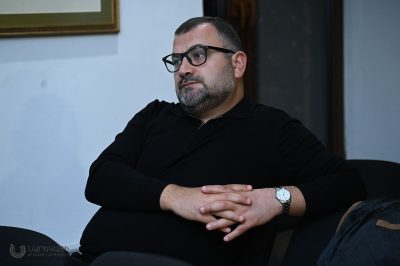
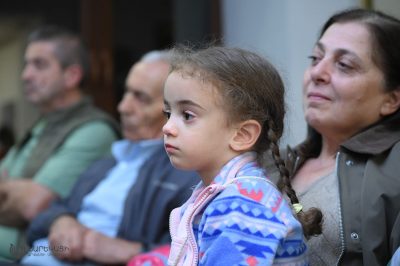
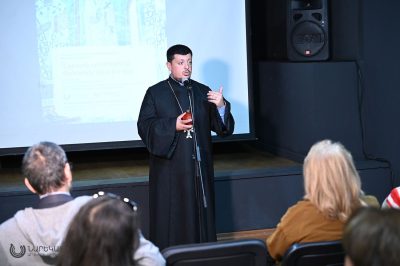
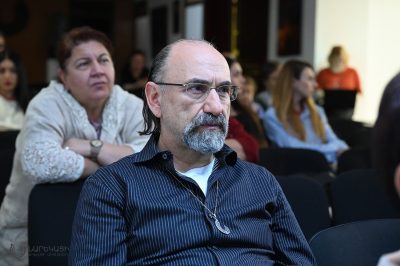
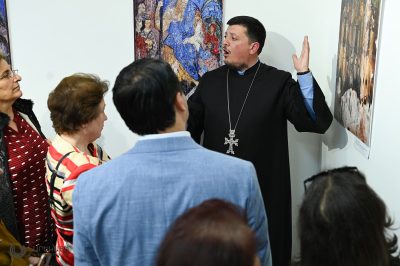
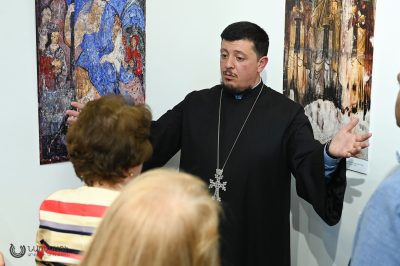
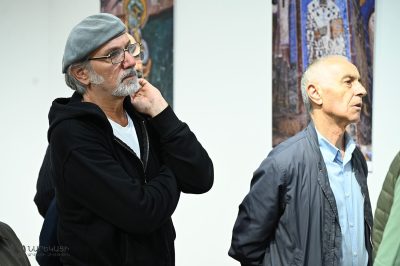
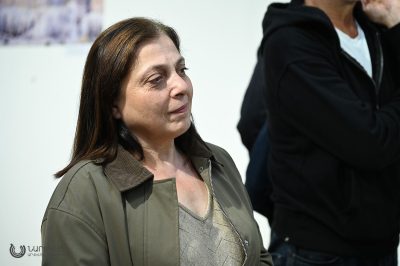
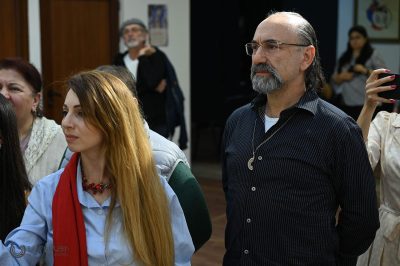
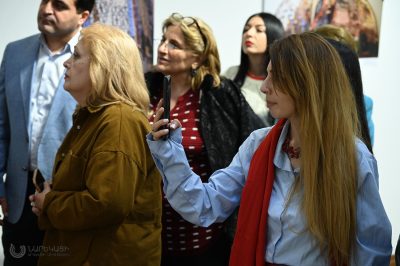
On October 19, Naregatsi Art Institute hosted the exhibition-lecture entitled "The Mural paintings of Akhtala: From the Middle Ages to the Present Day".
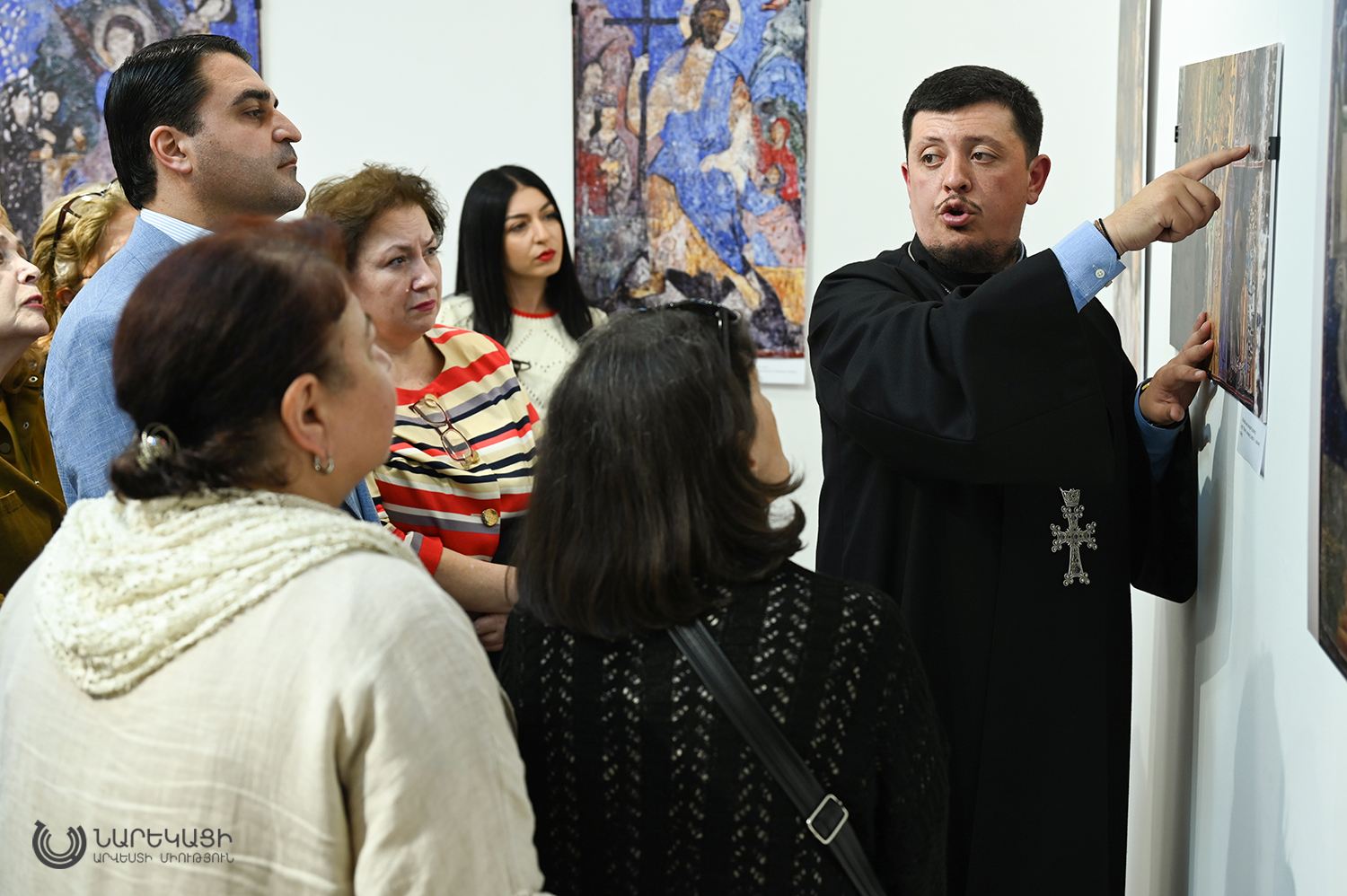
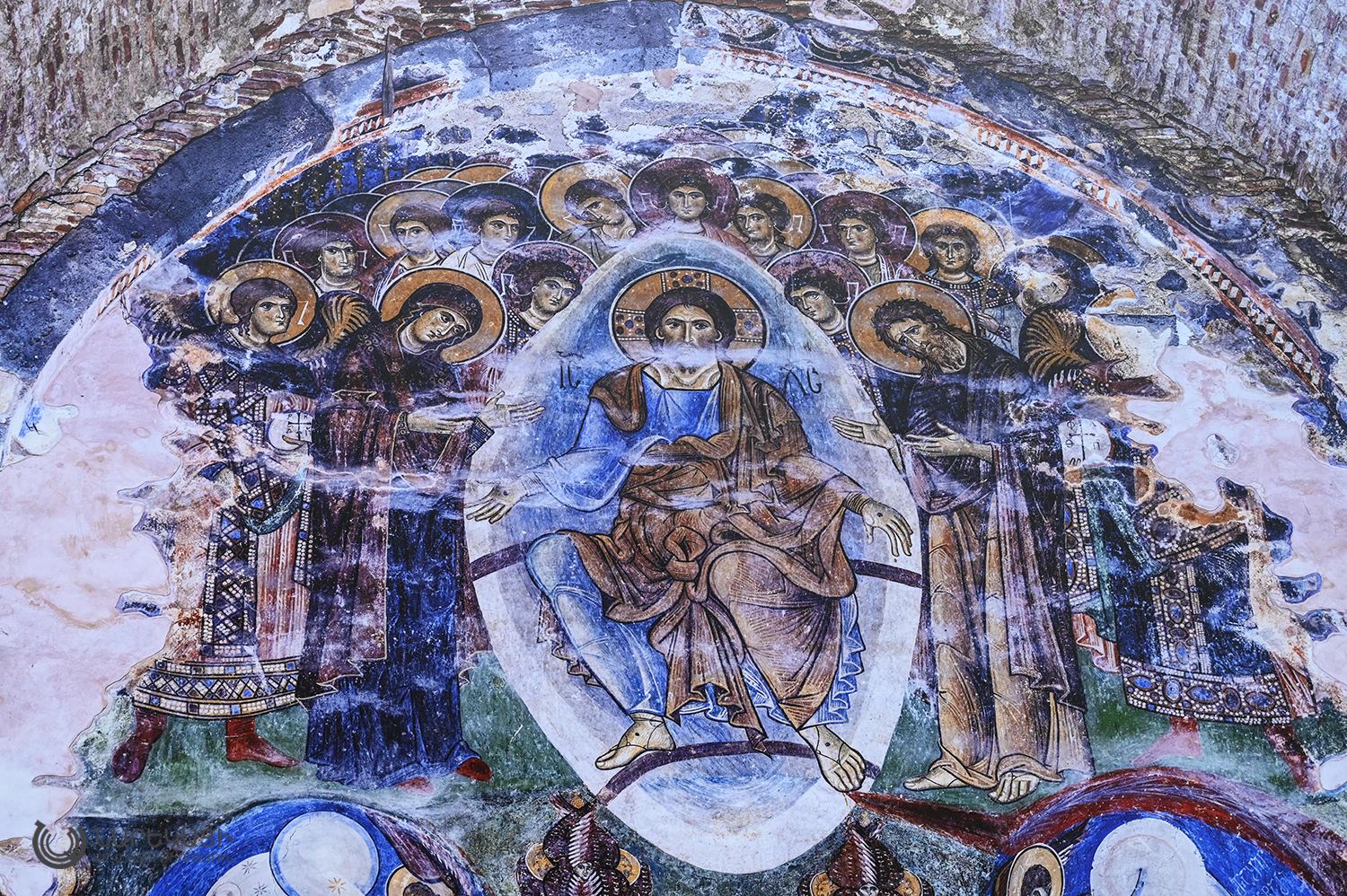
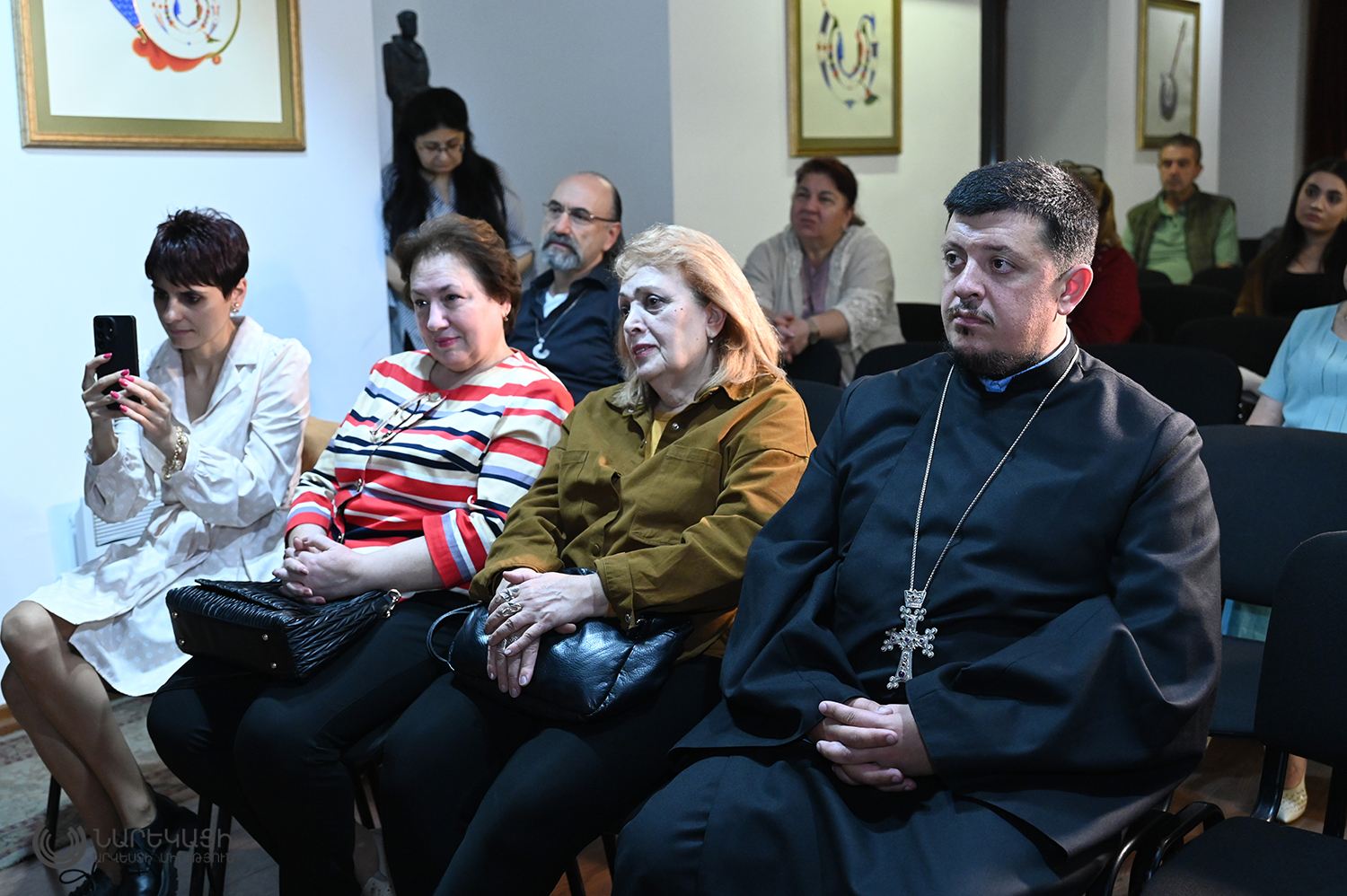
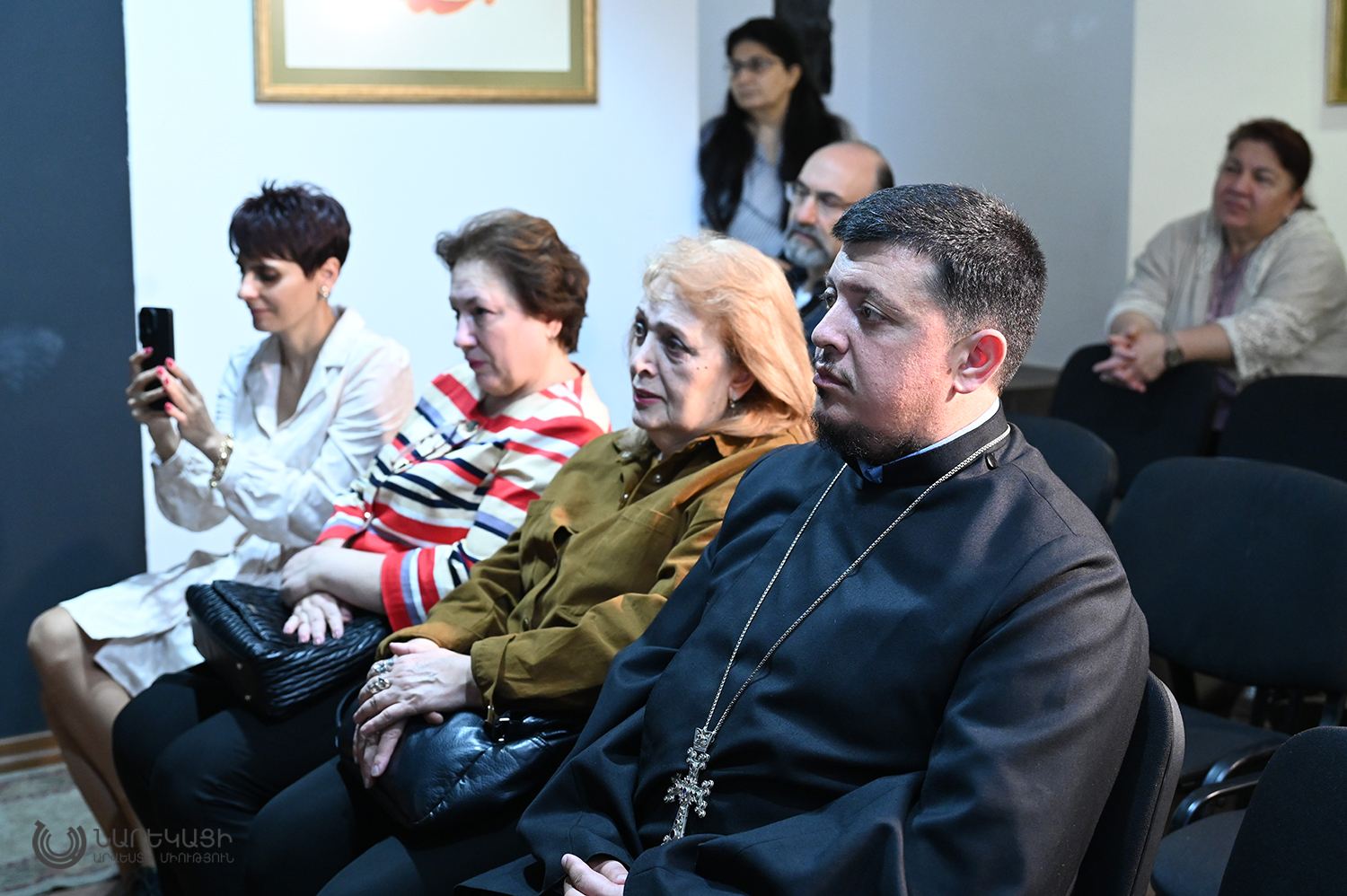
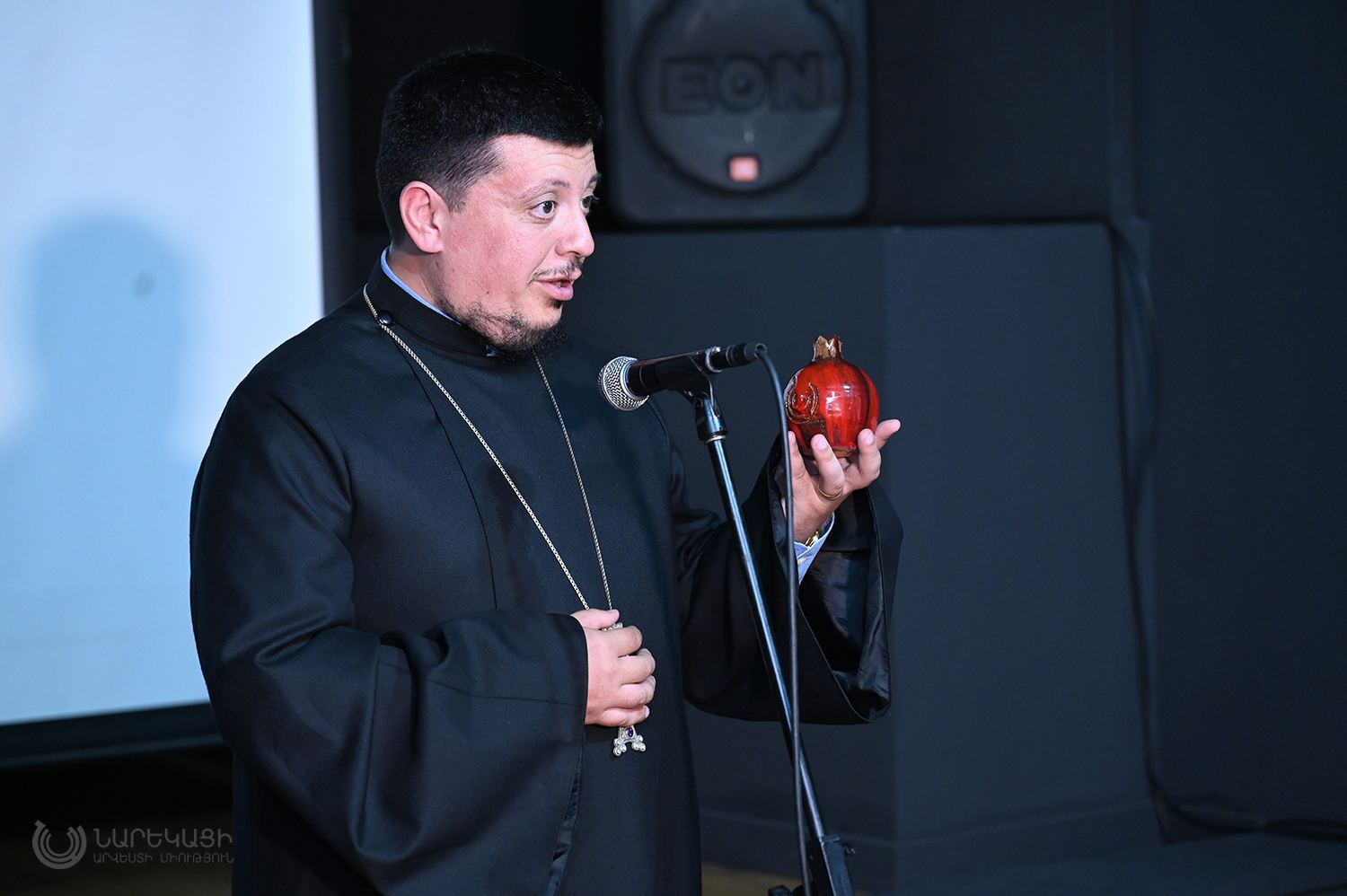
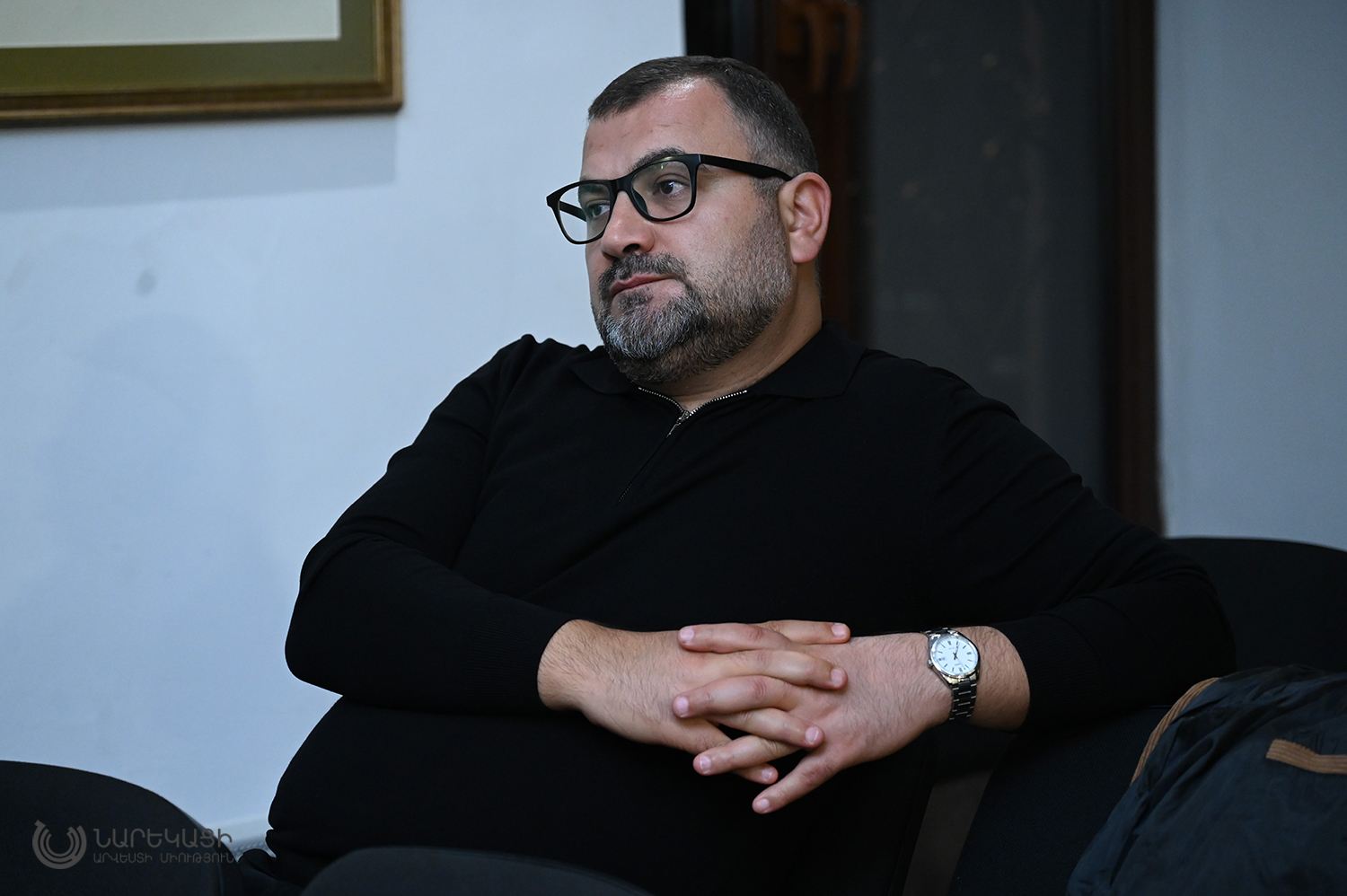
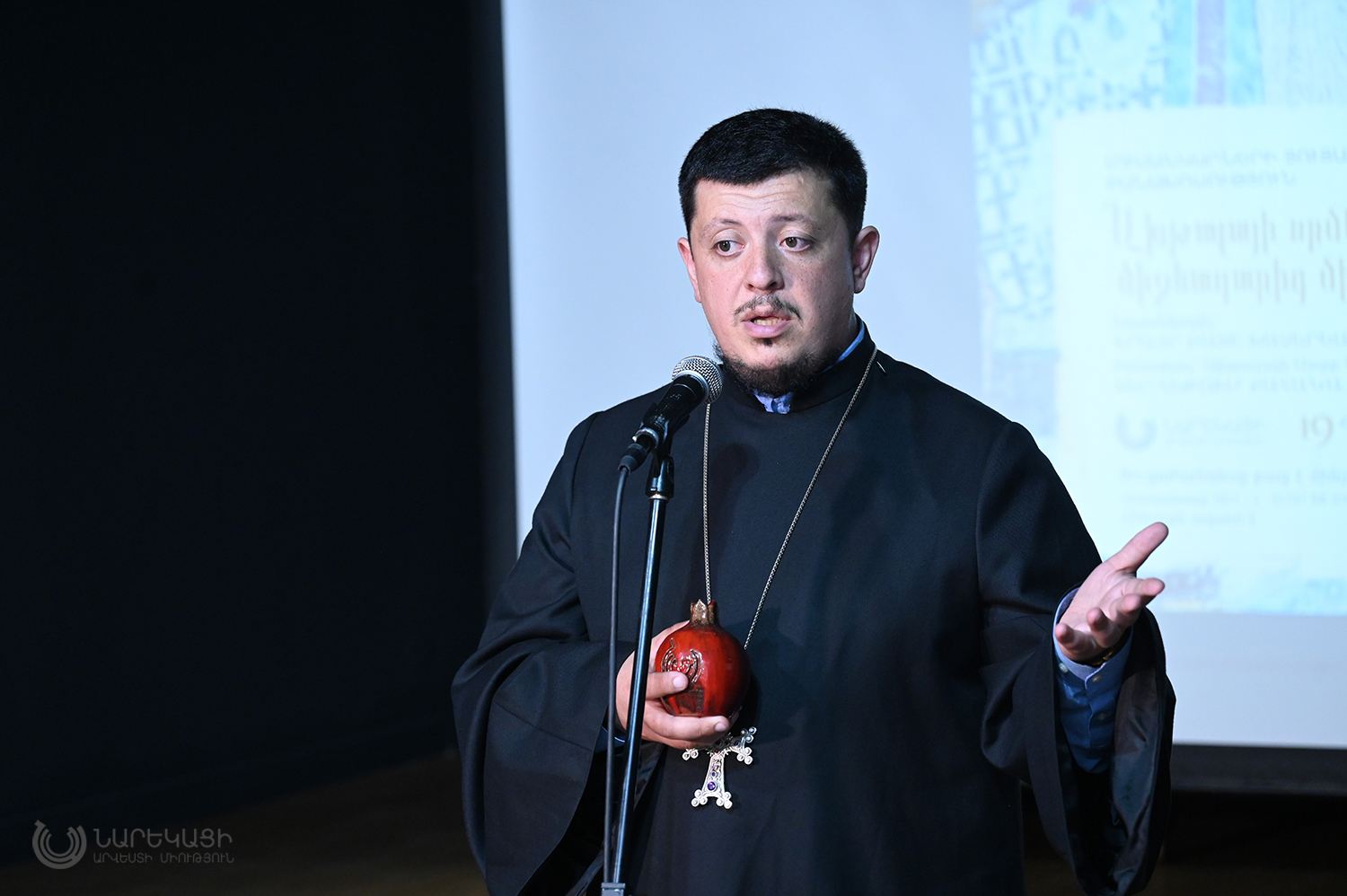
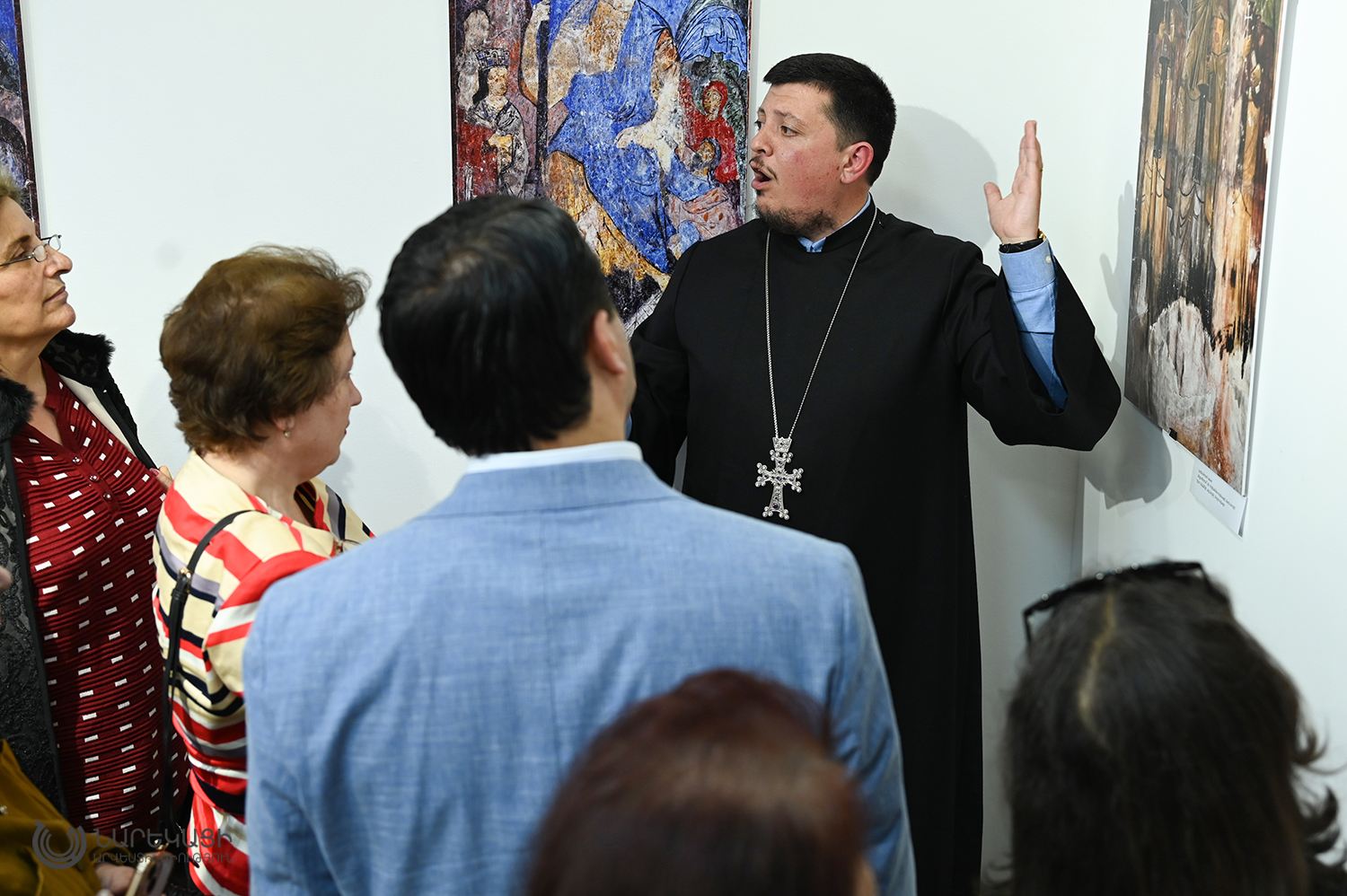
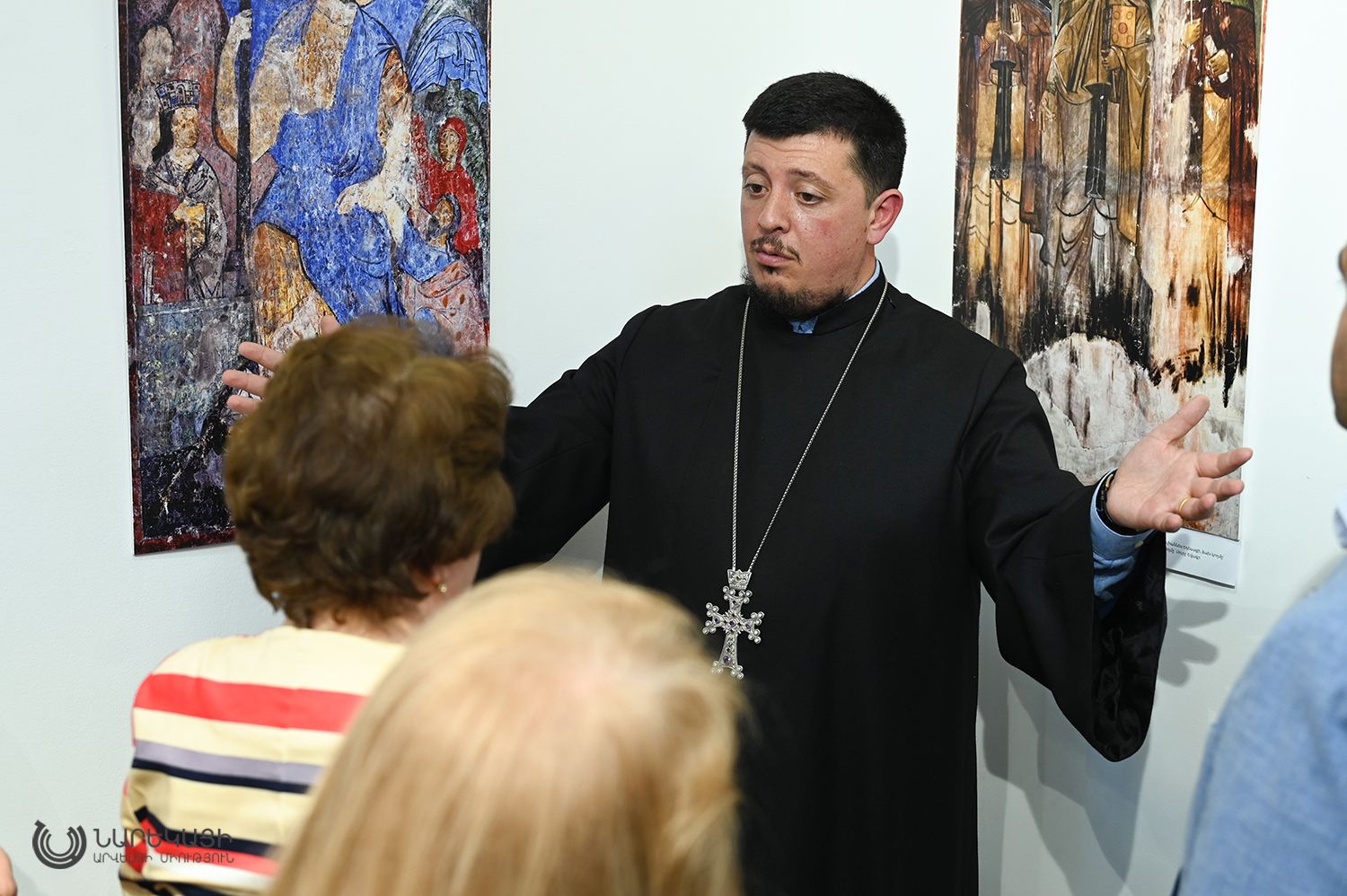
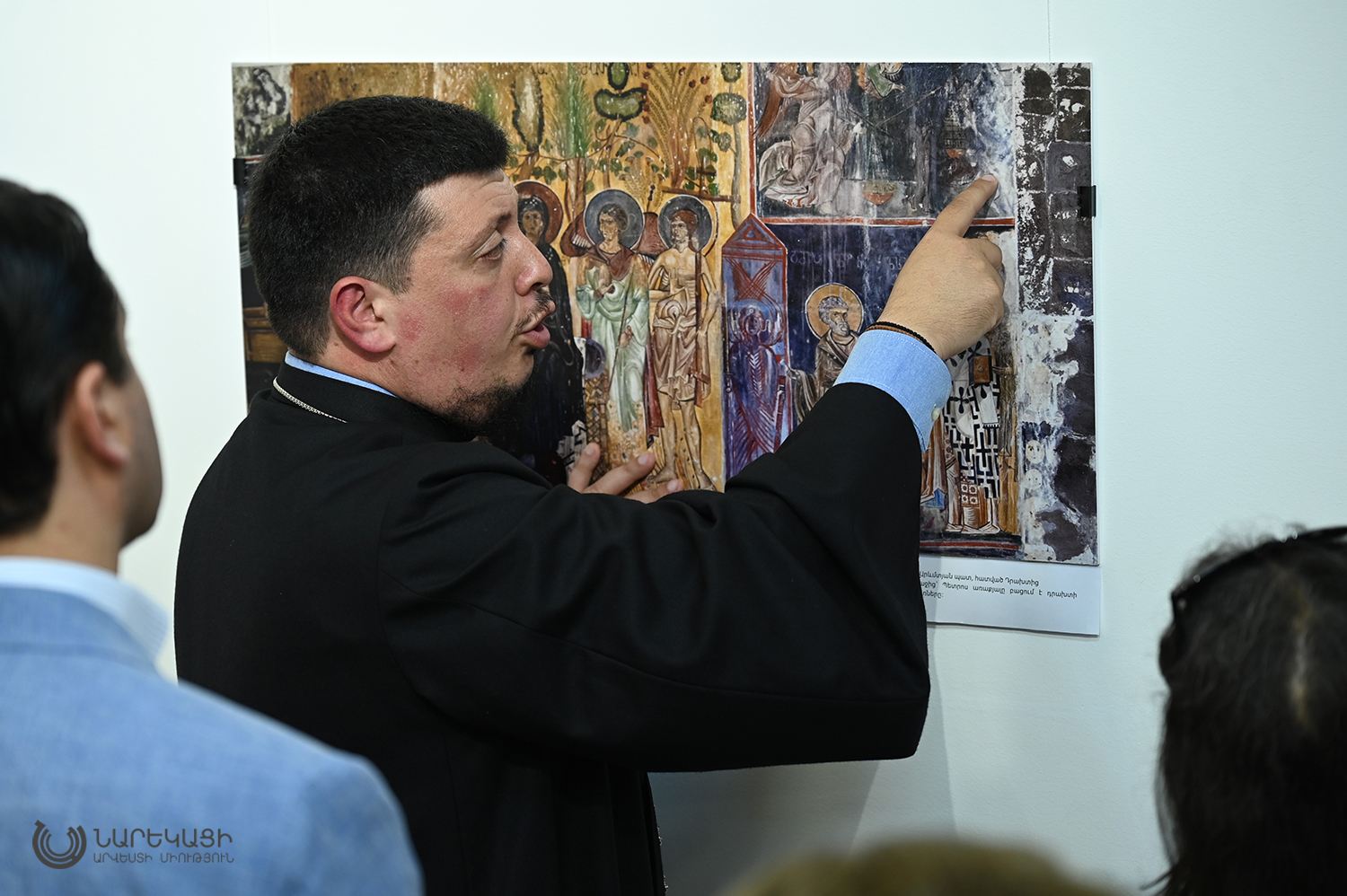
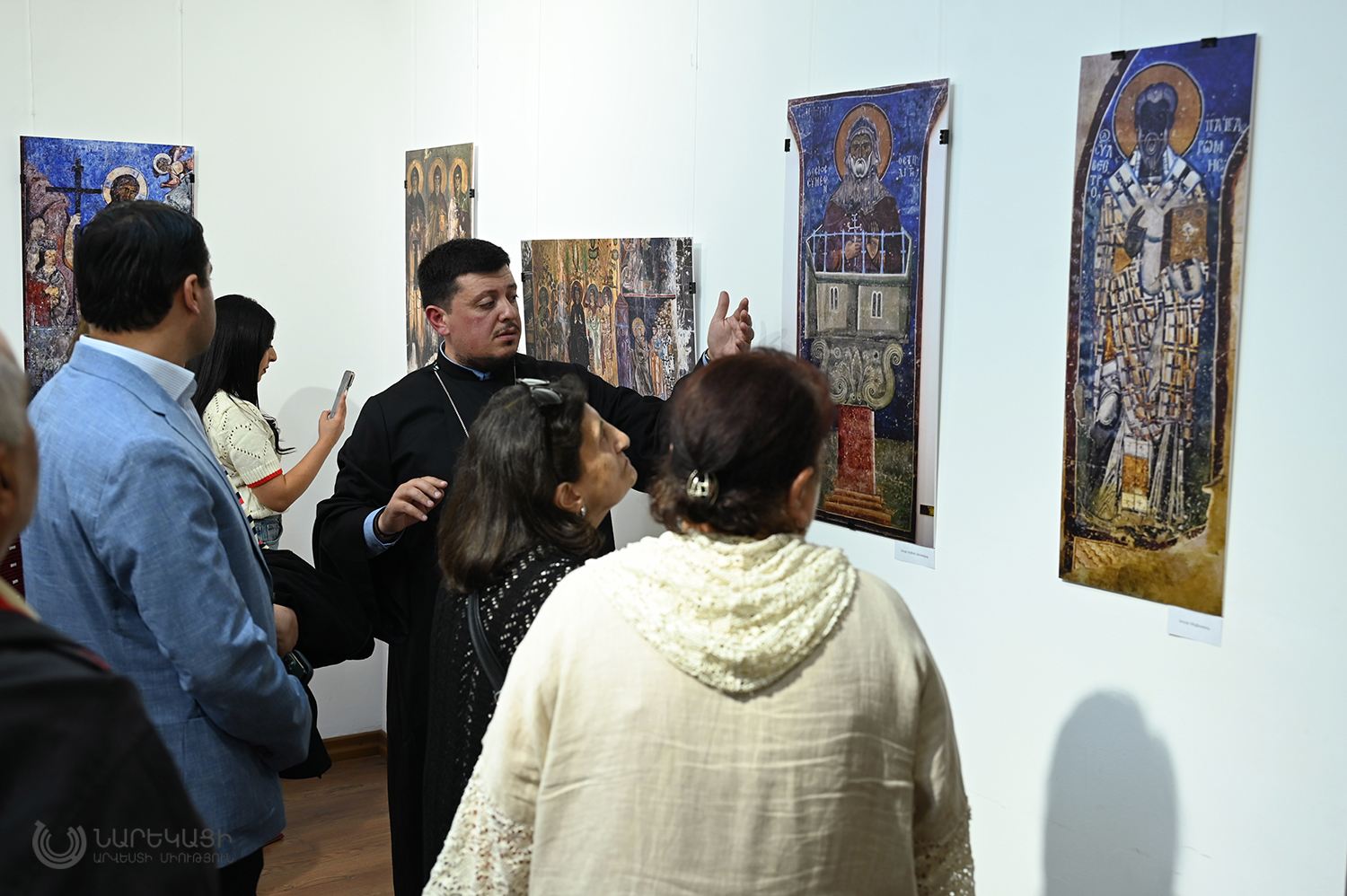
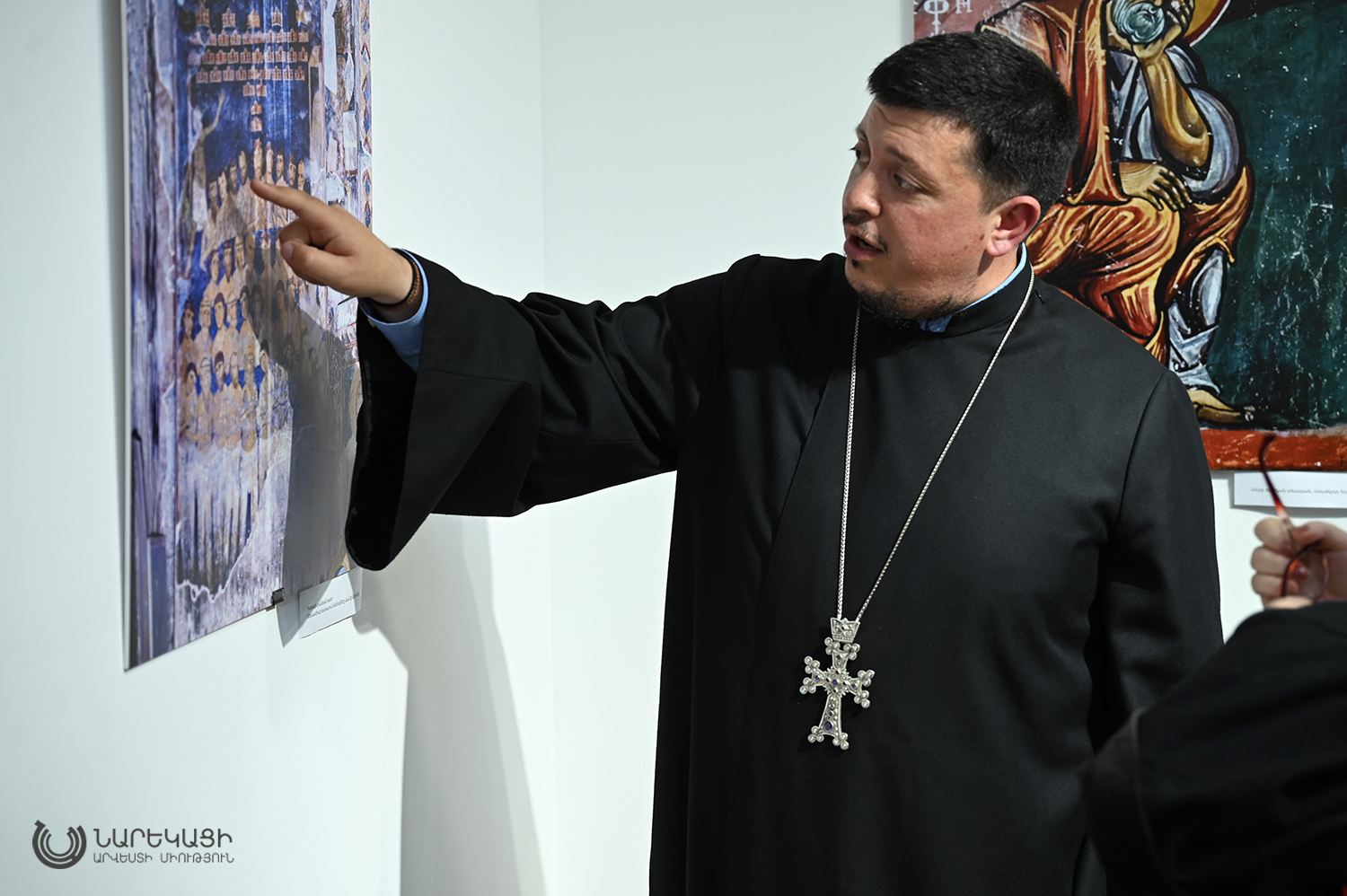
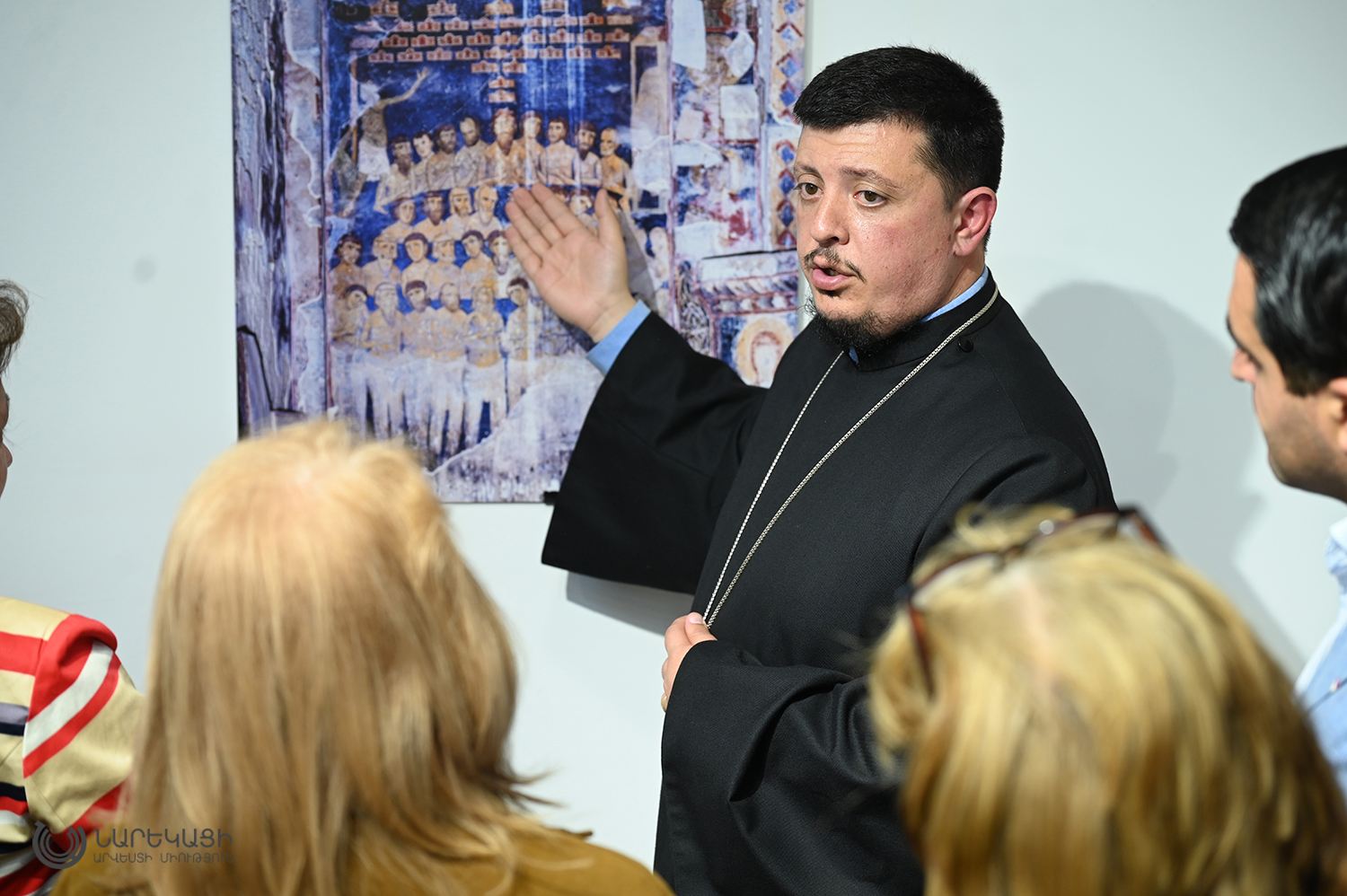
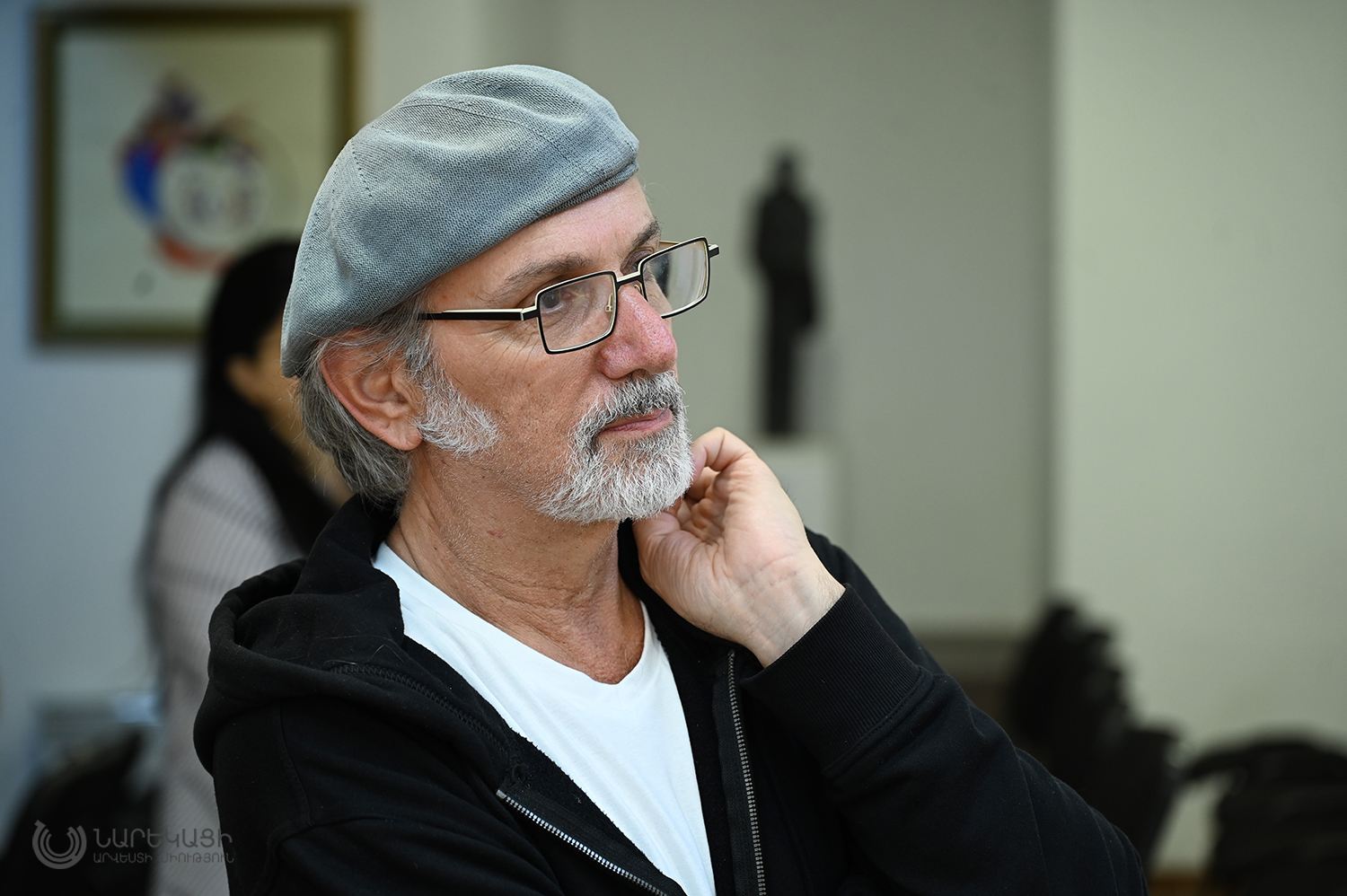
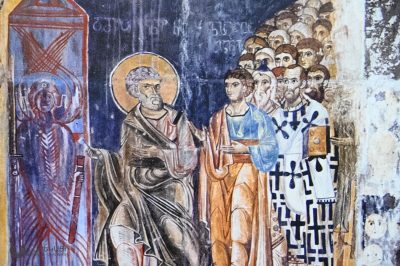
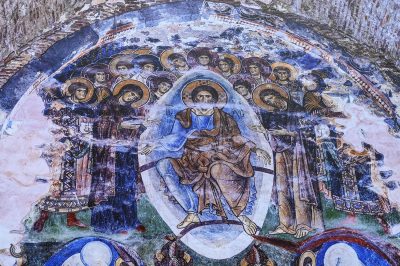
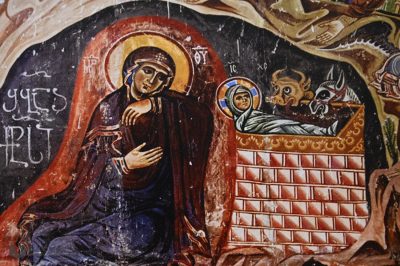
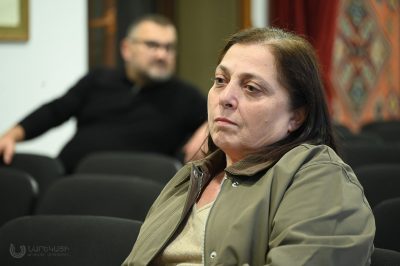
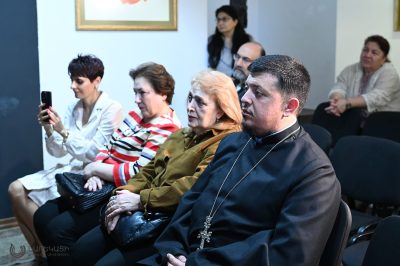
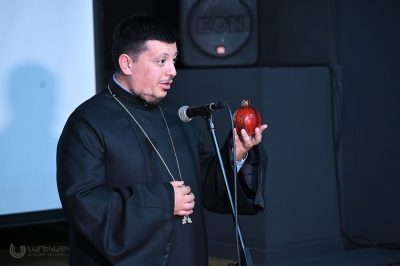
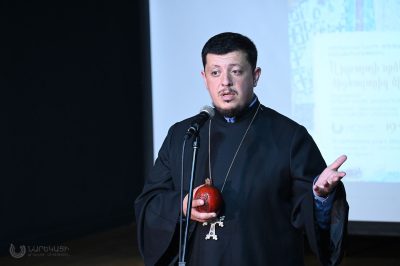
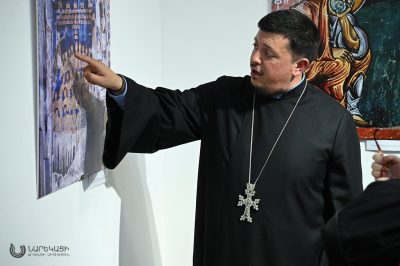
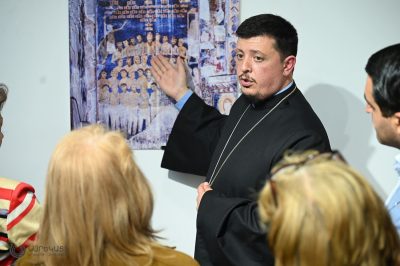
The focus of the event was the rich collection of frescoes at the Church of the Holy Mother of God (Surb Astvatsatsin) in Akhtala—an exceptional 12th–13th-century spiritual monument—the theological and historical-political layers of which were presented by the abbot of the church, the Reverend Father Hetum Tarverdyan.
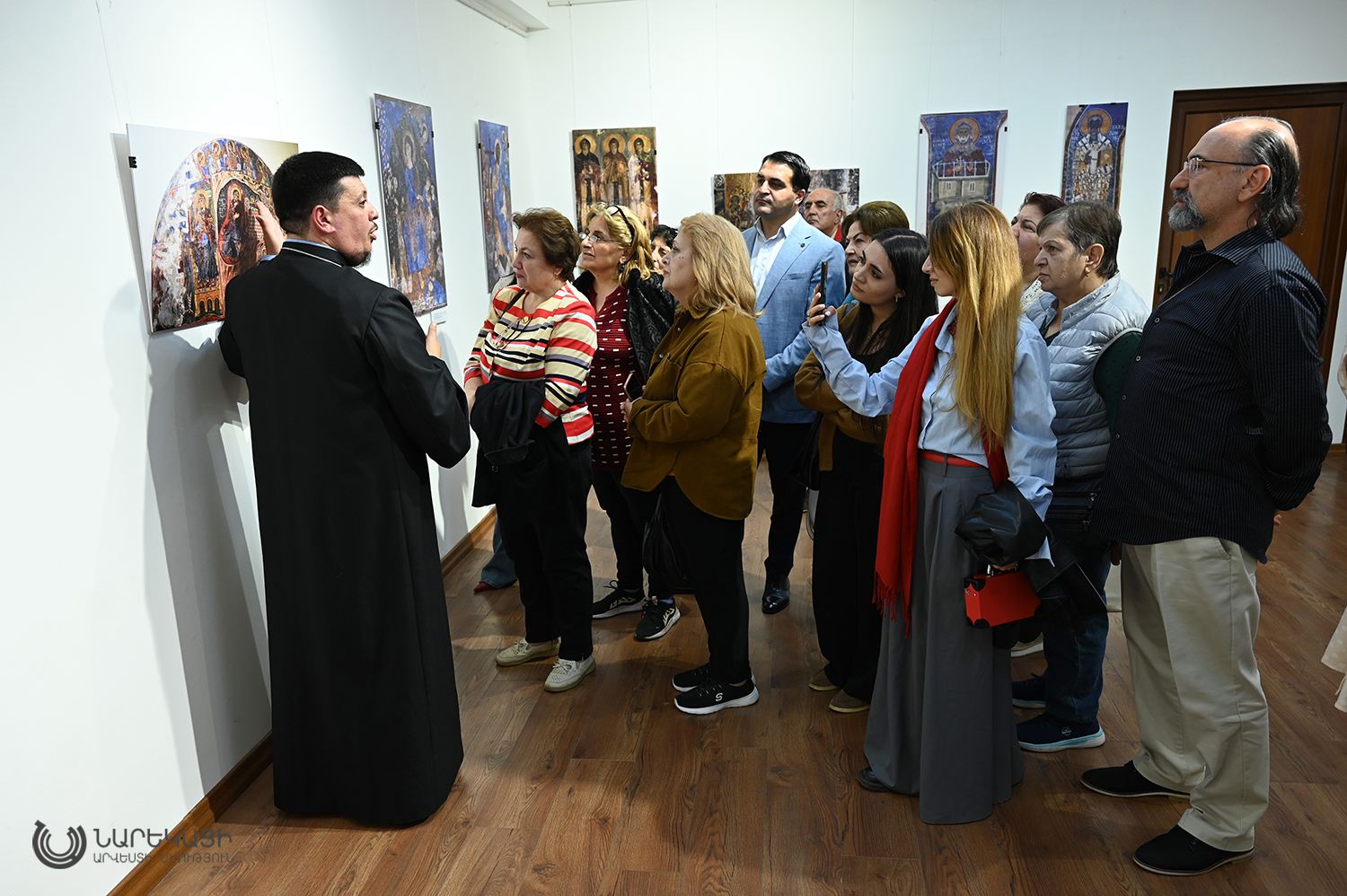
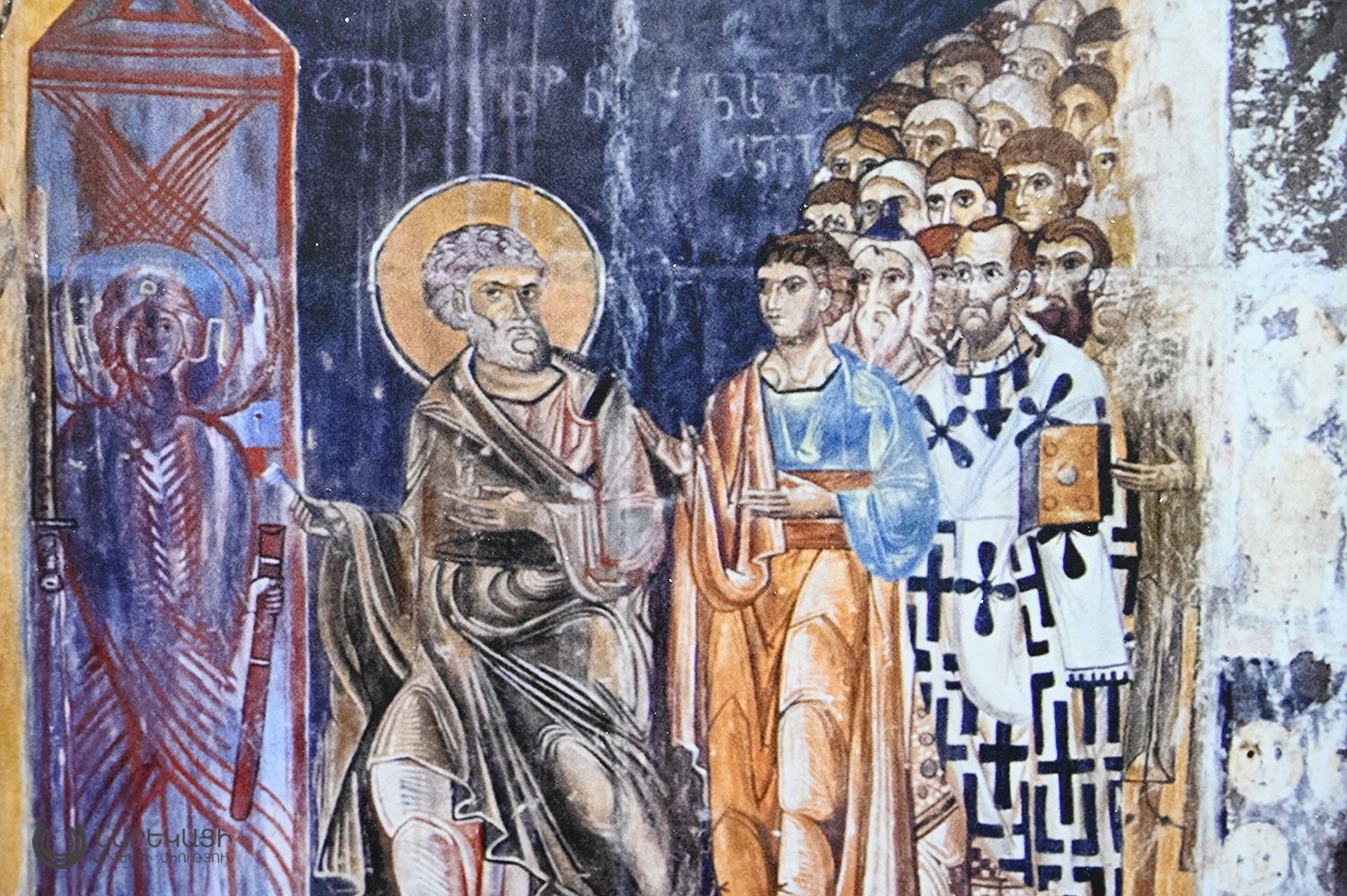
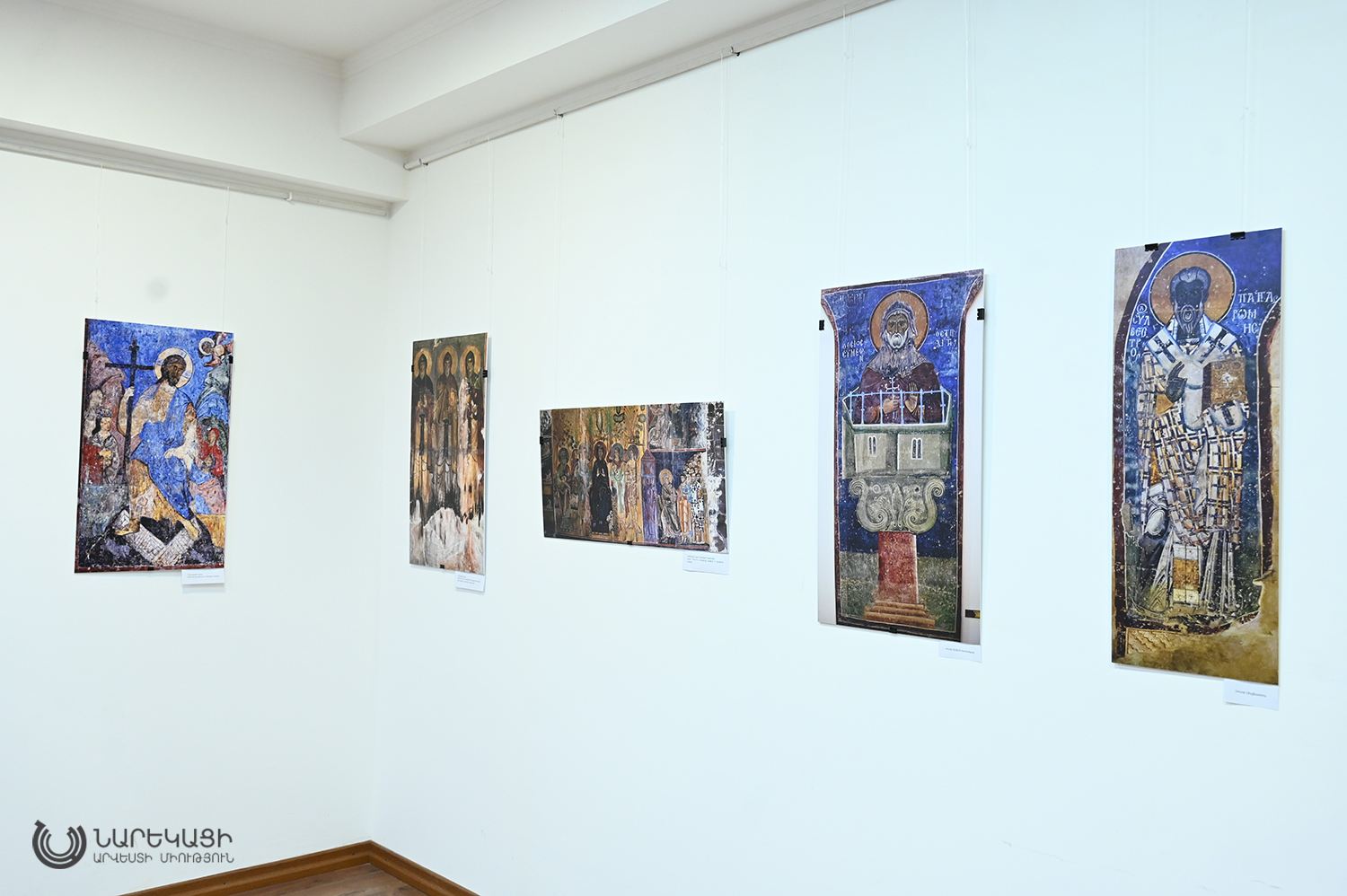
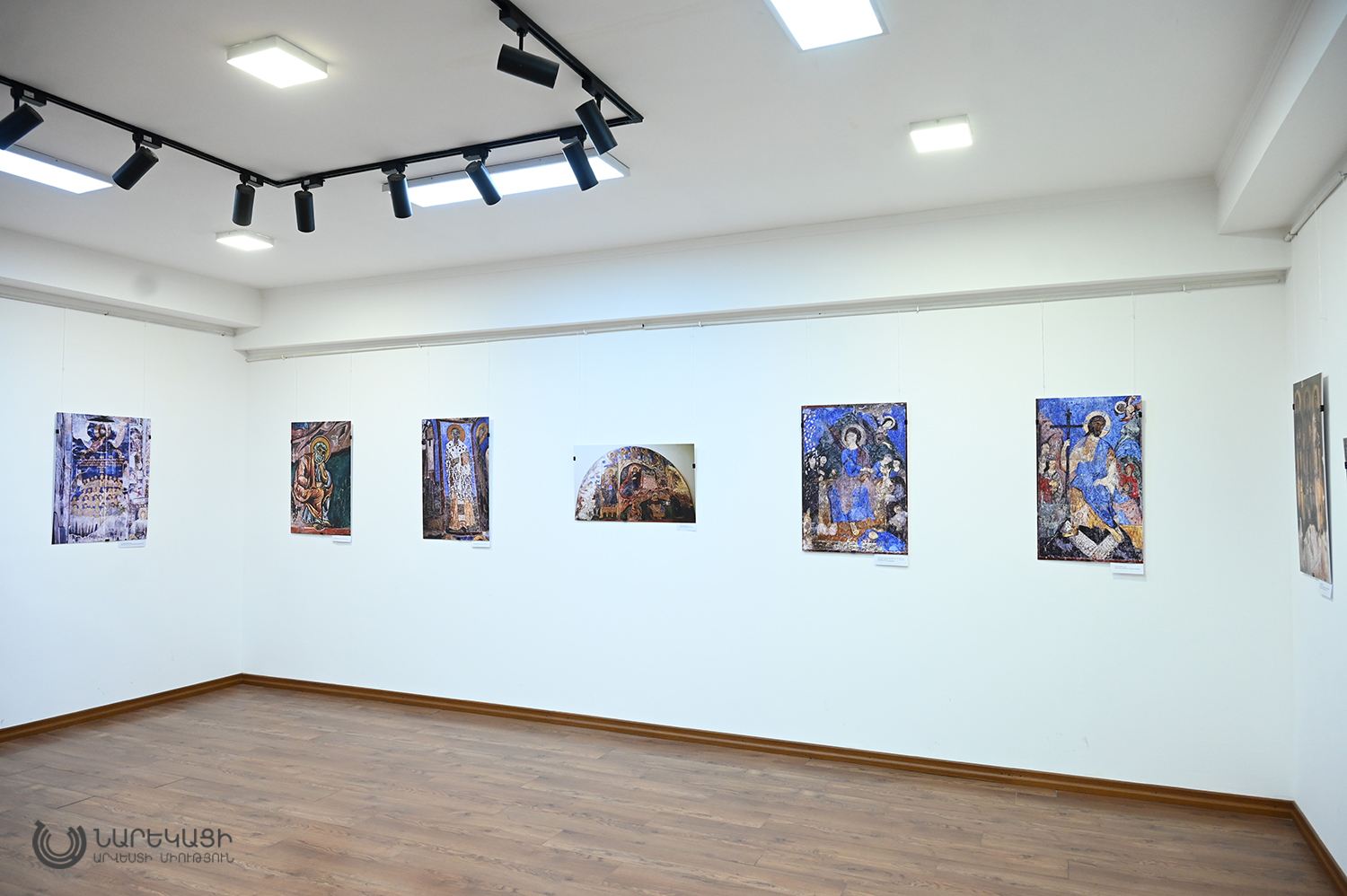
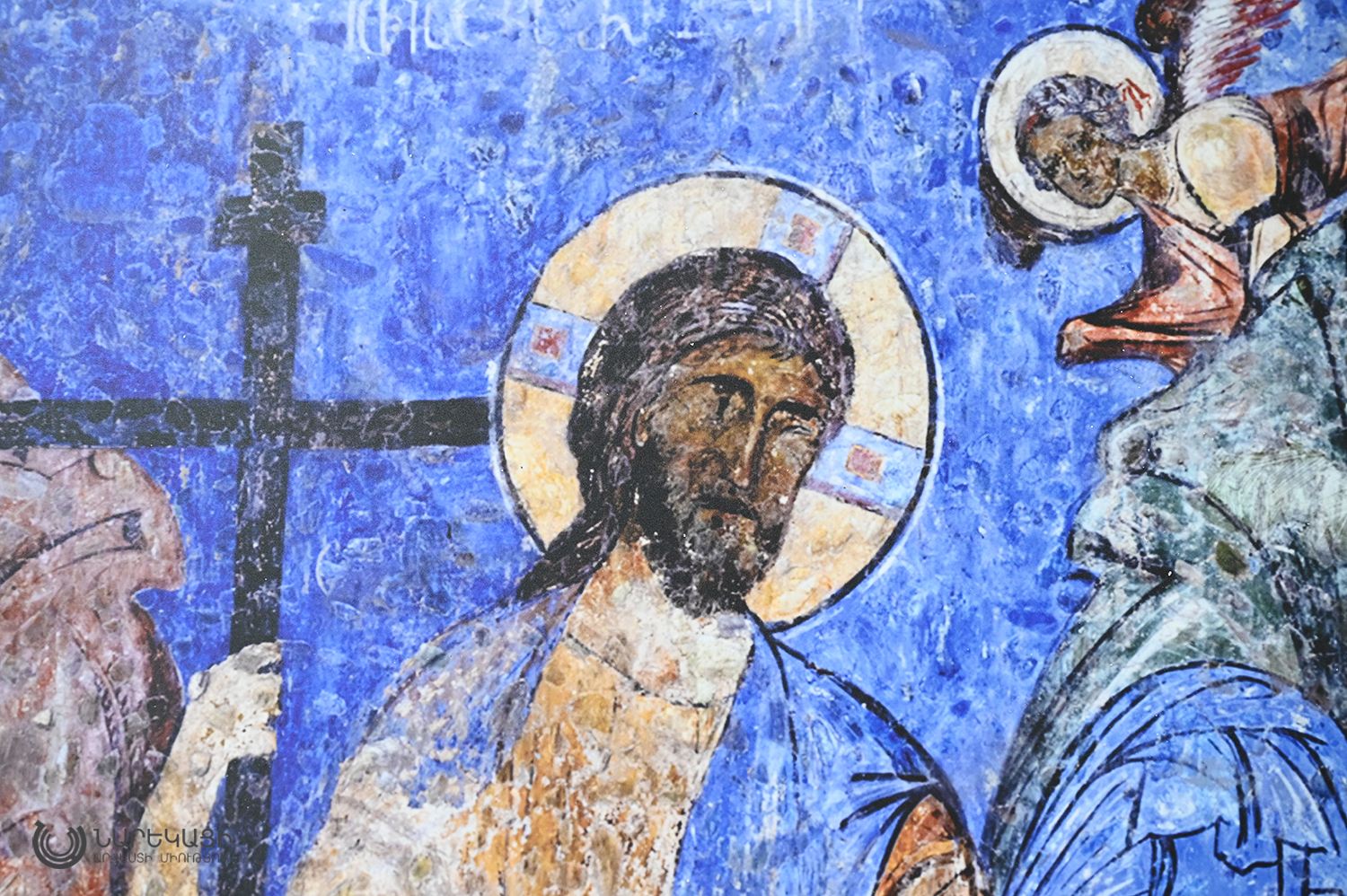
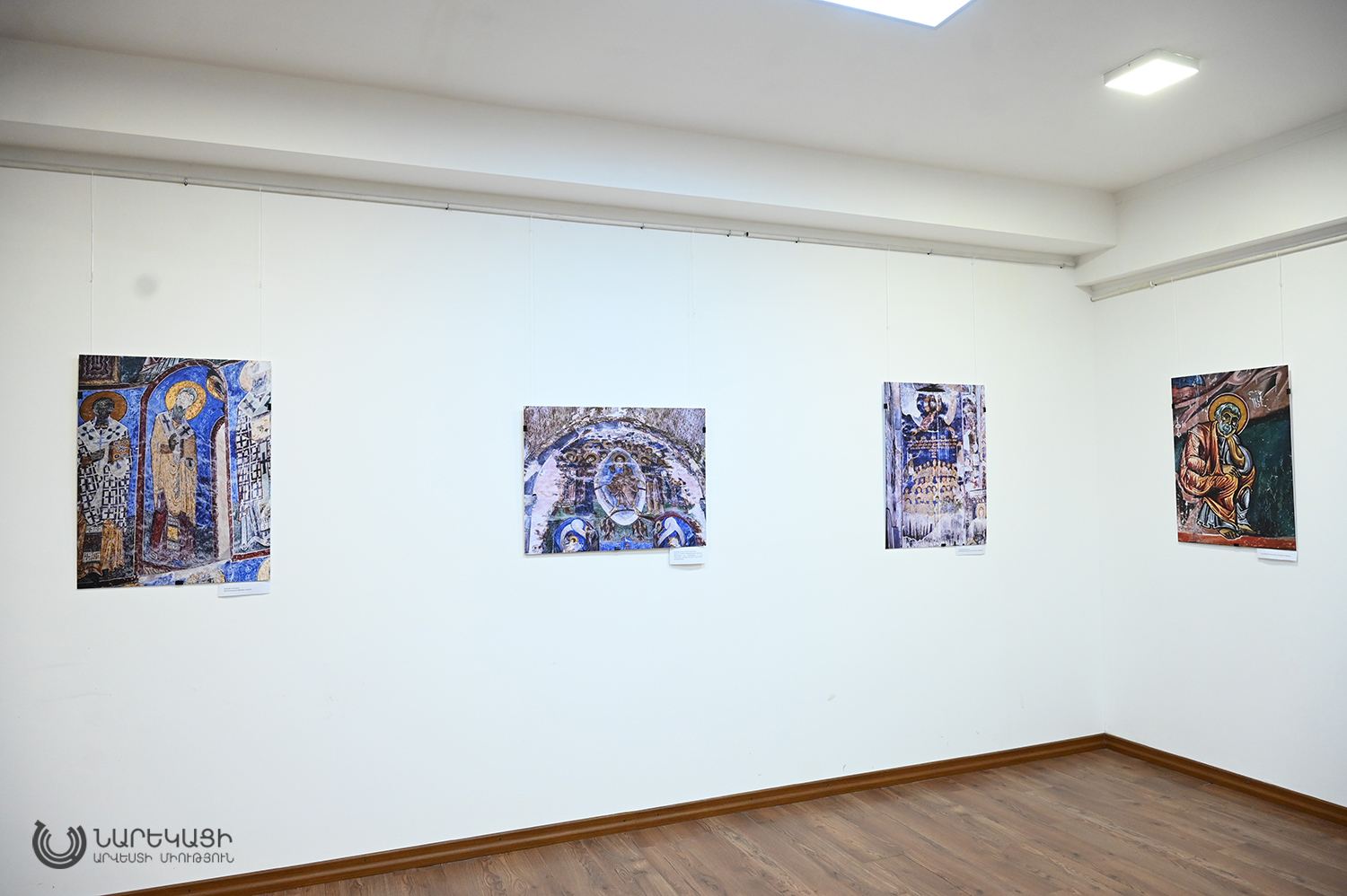
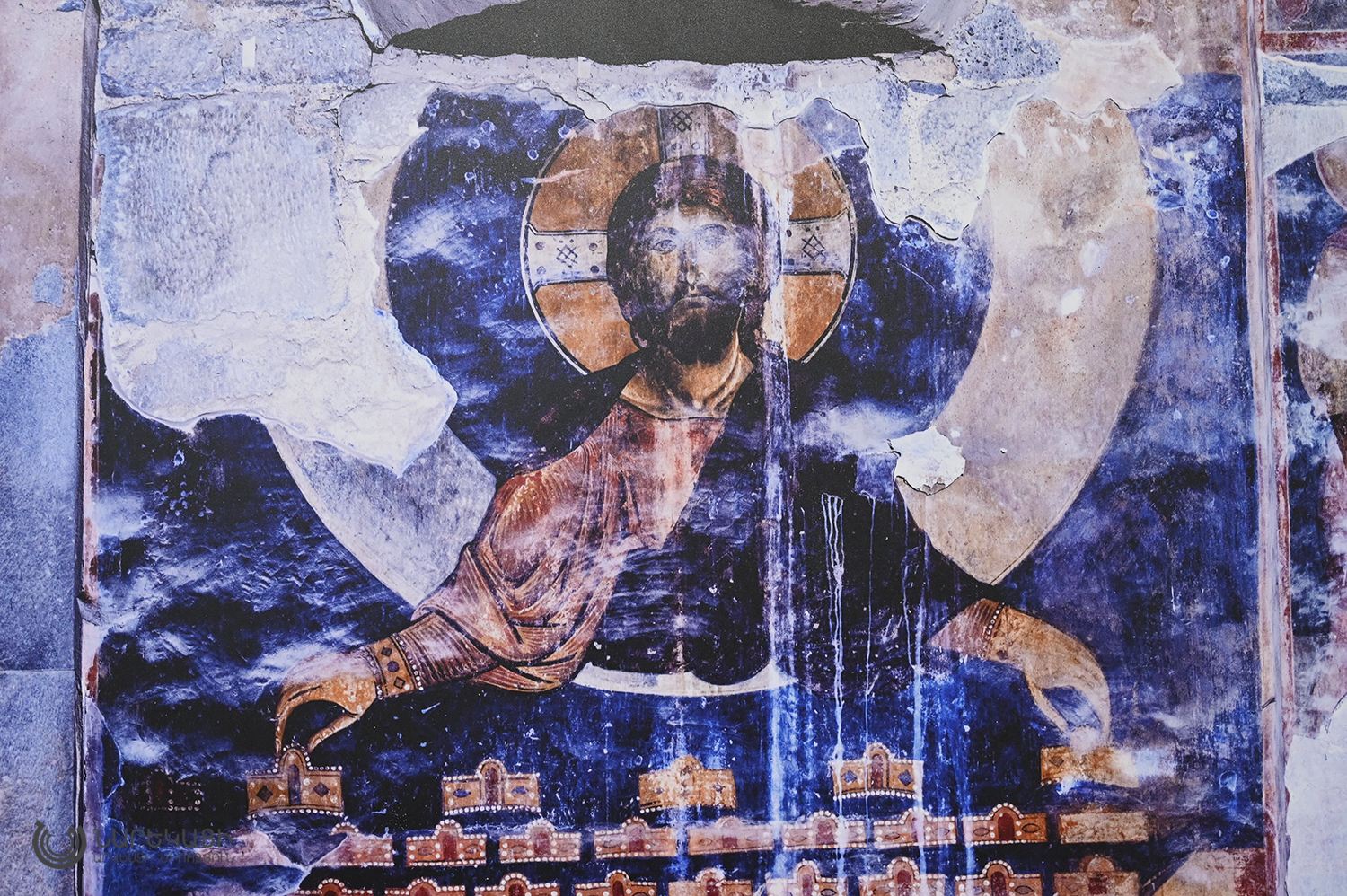
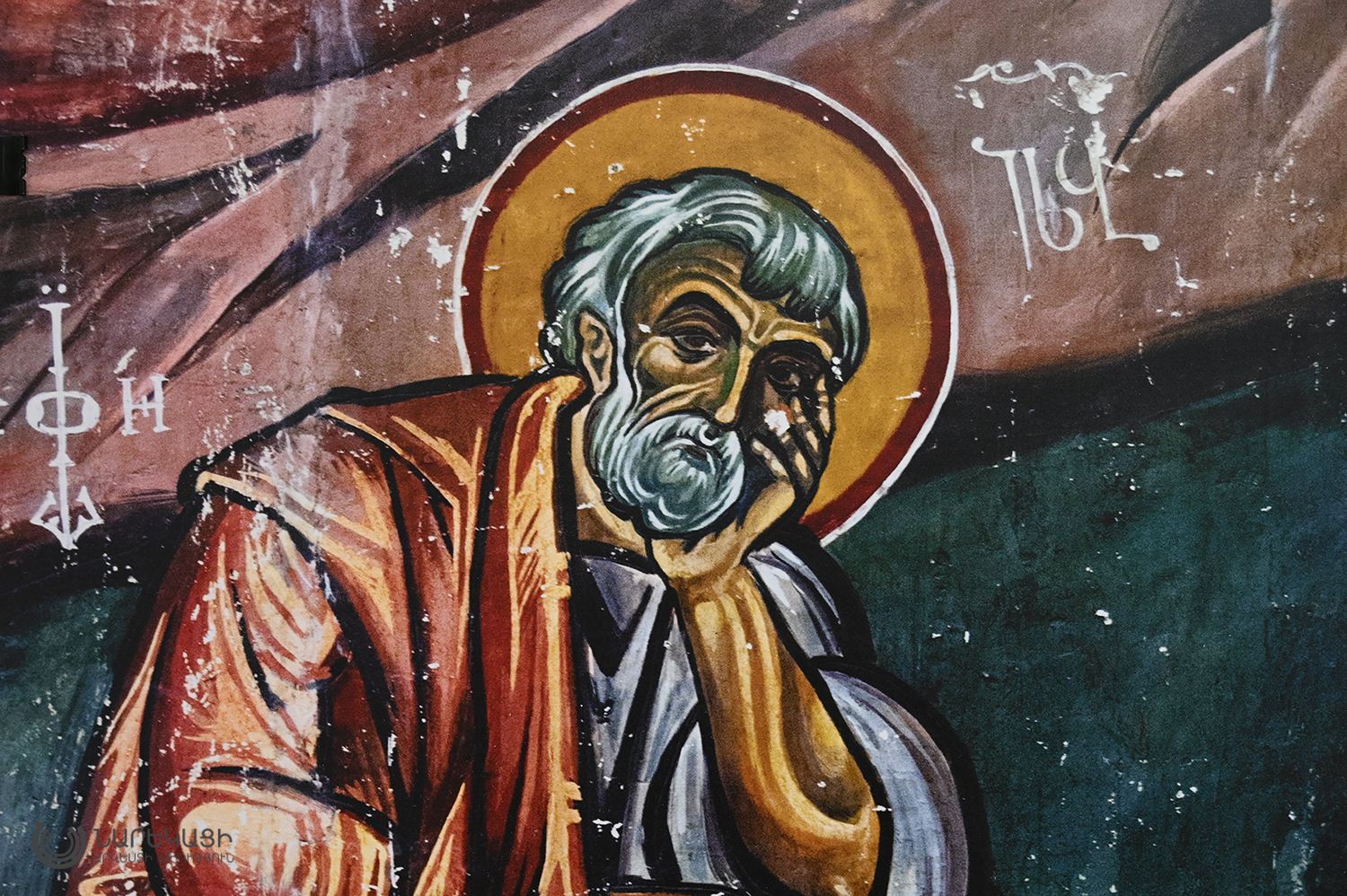
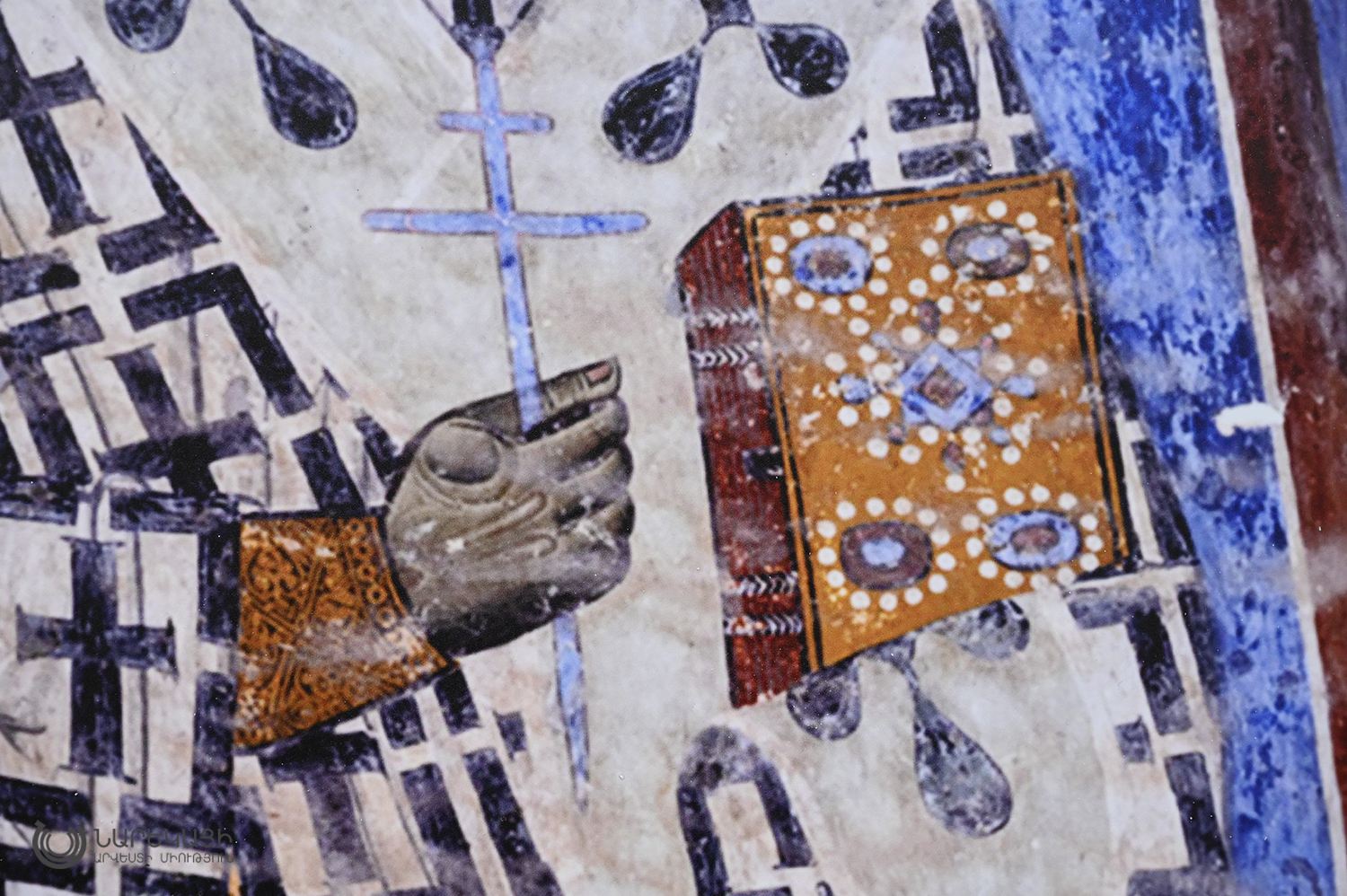
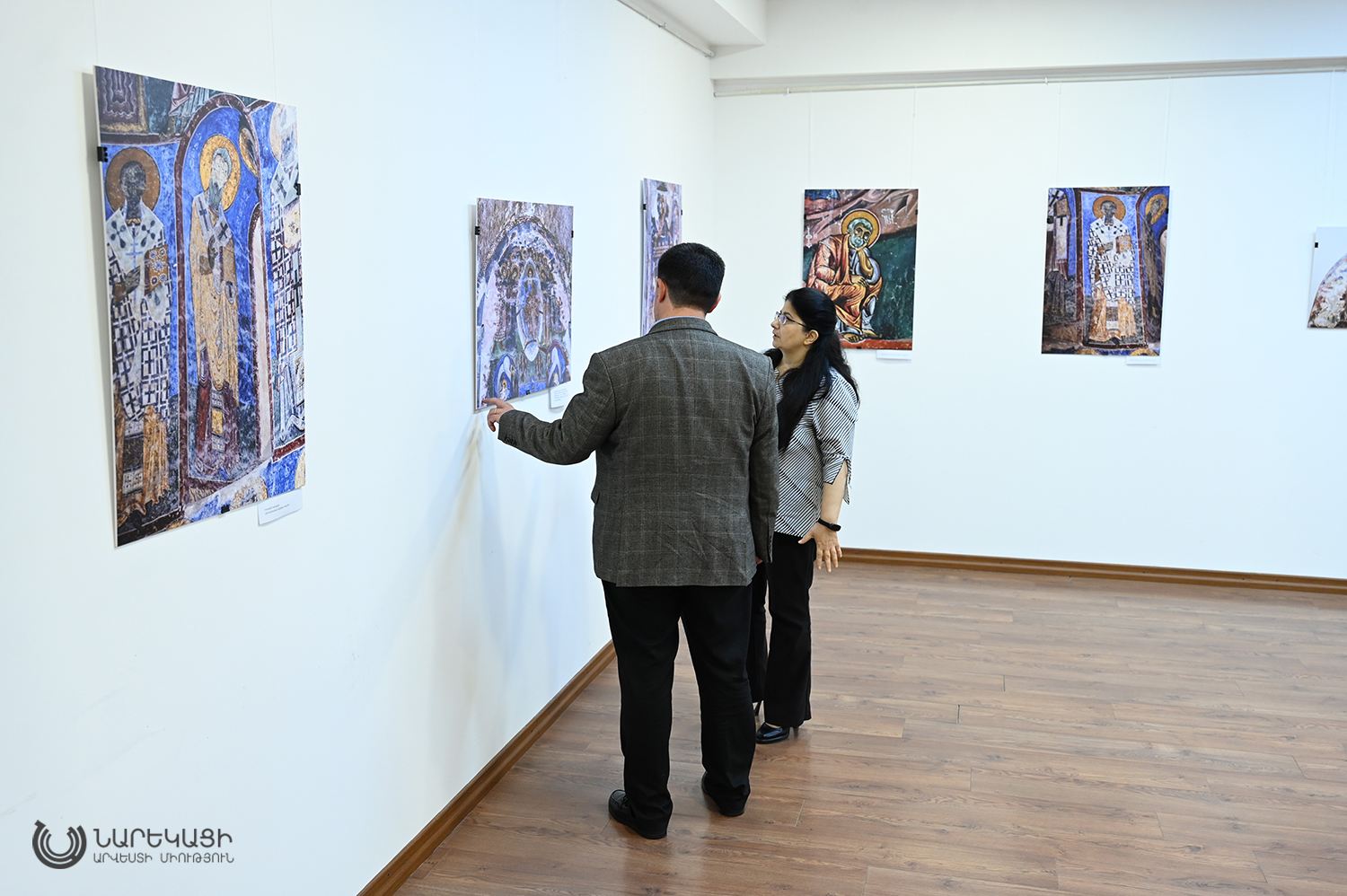
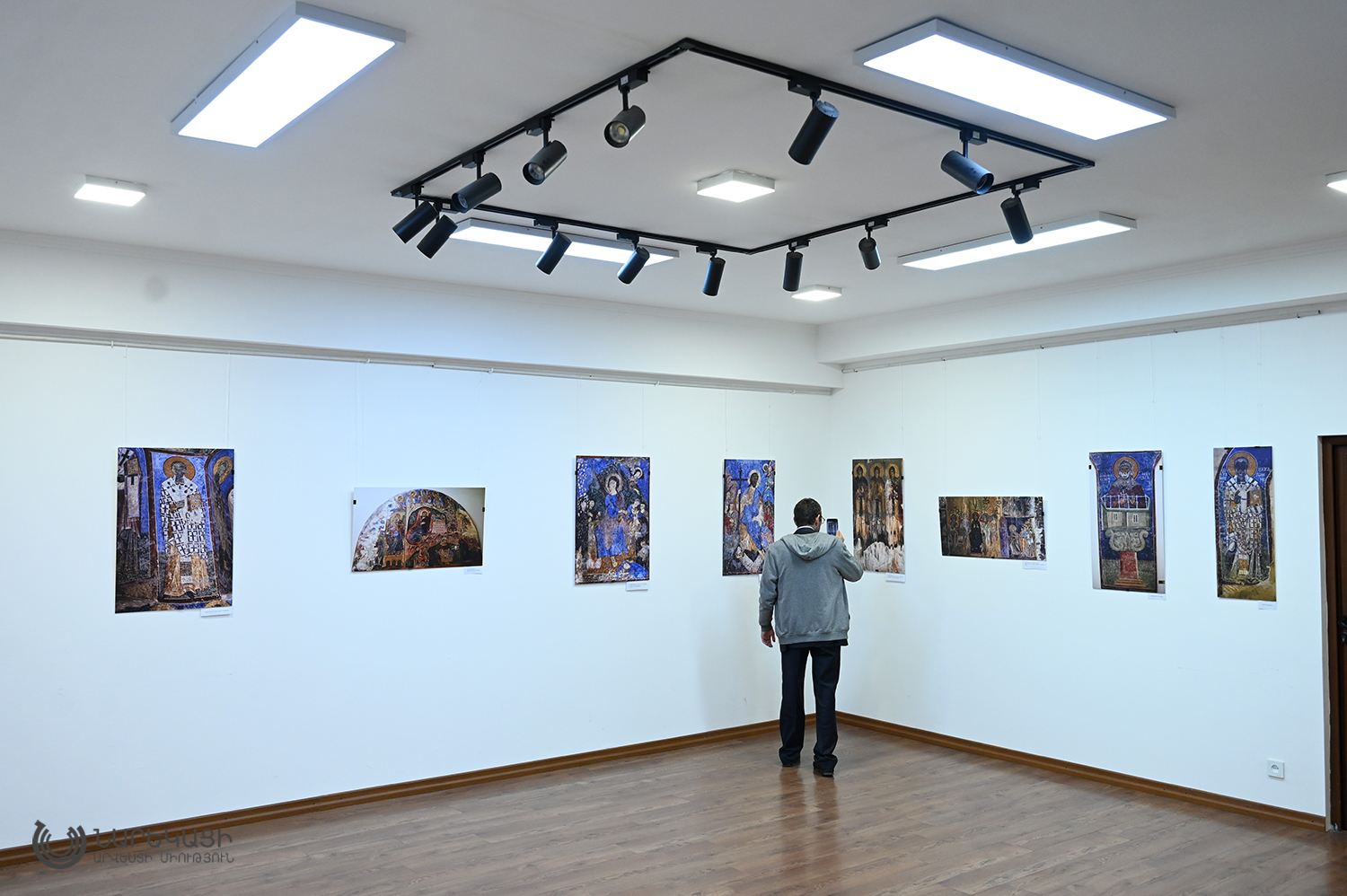
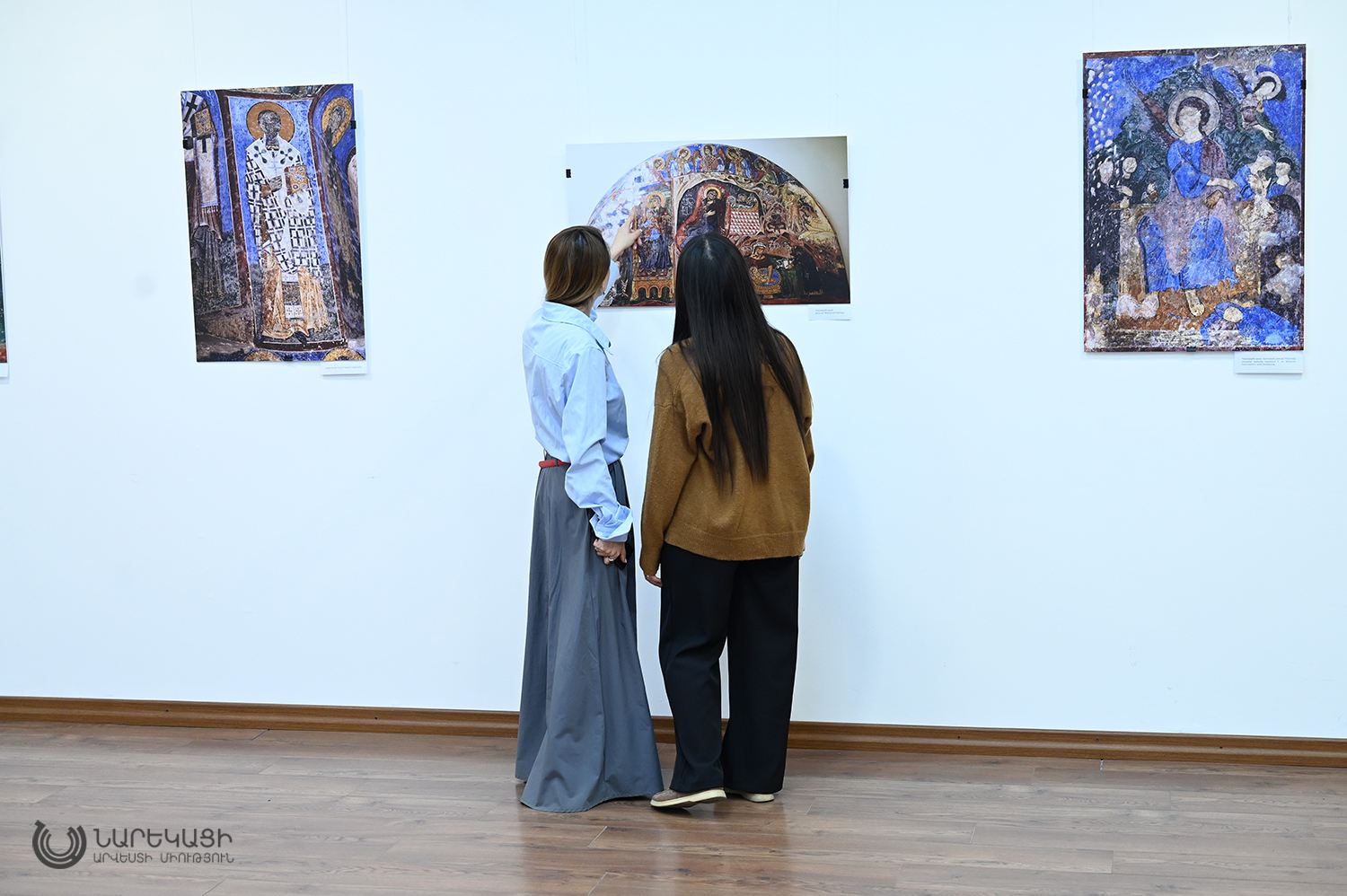
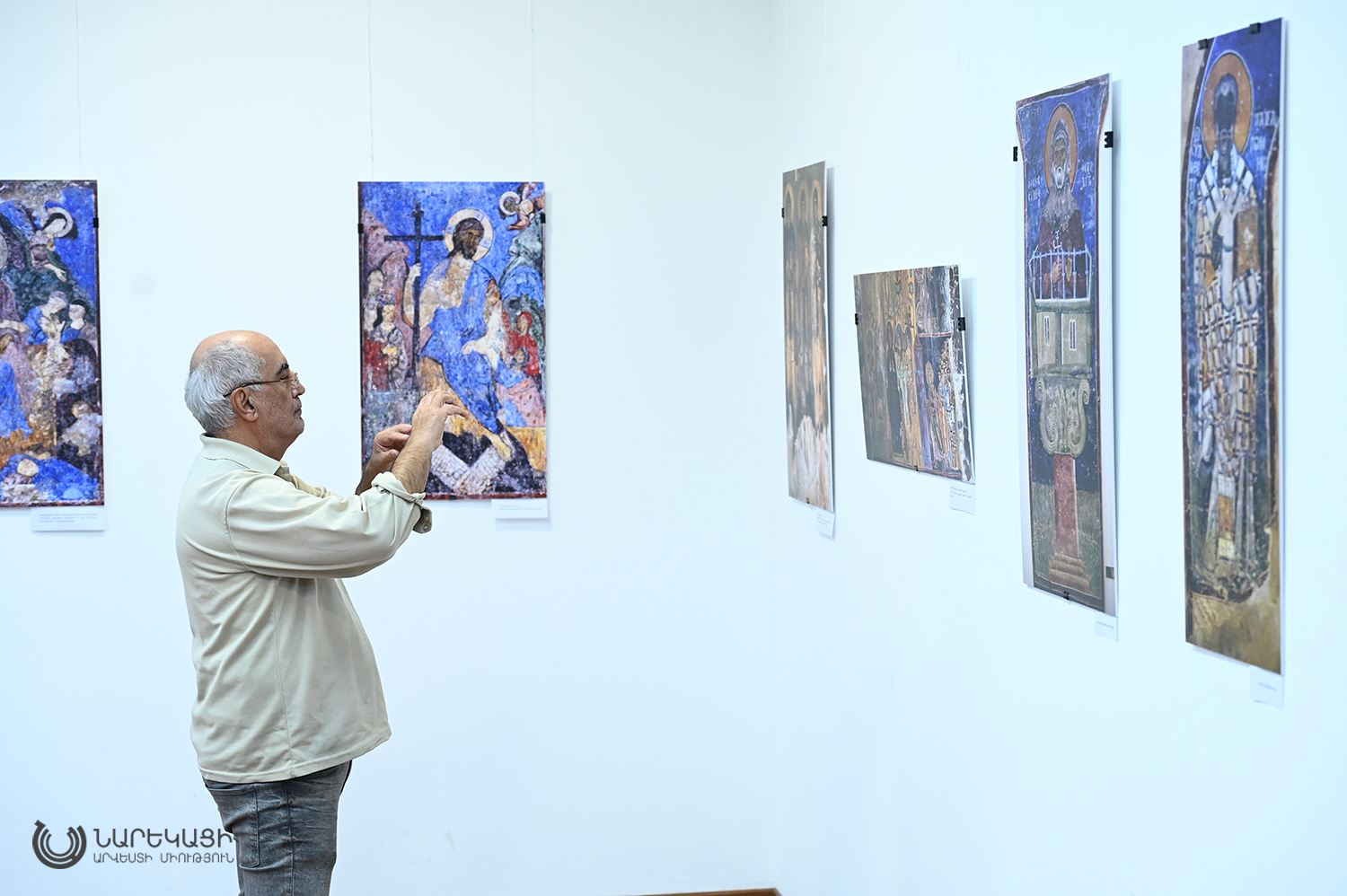
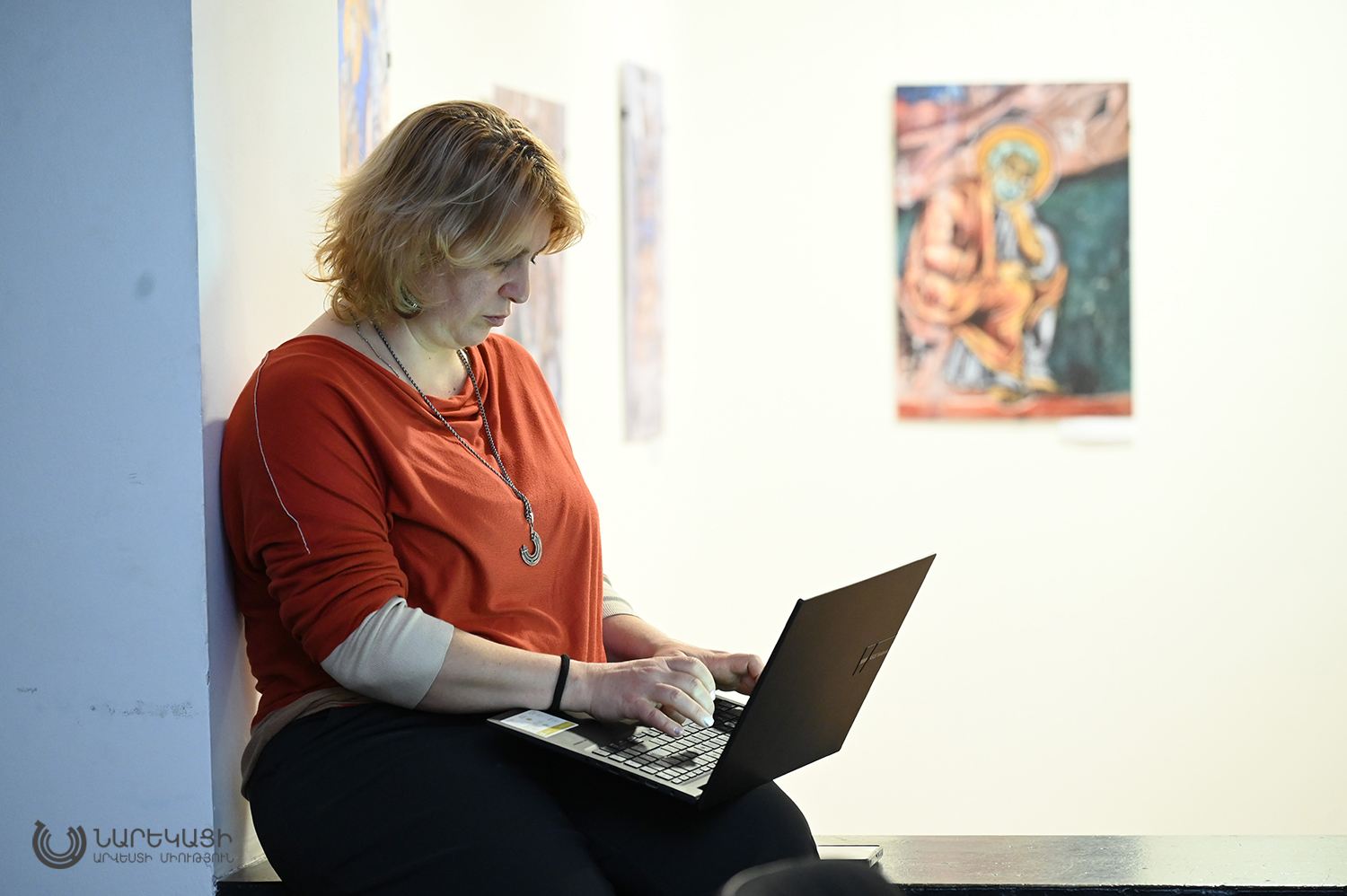
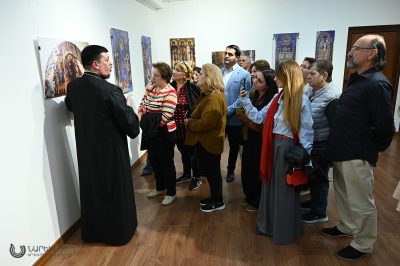
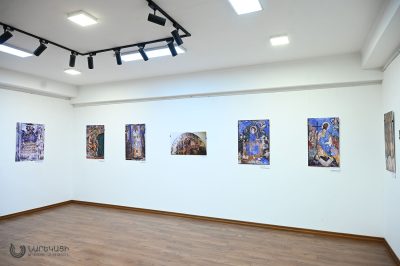
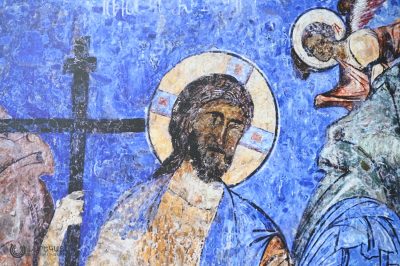
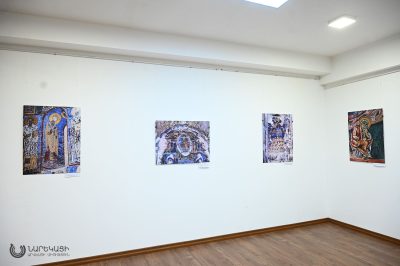
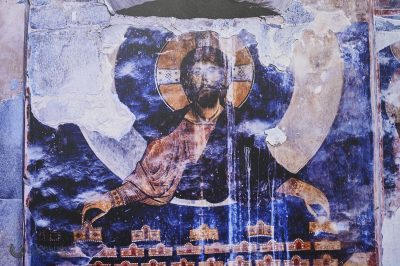
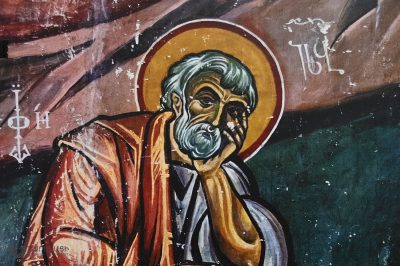
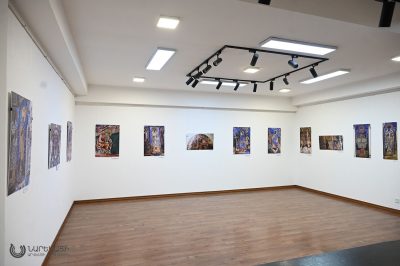
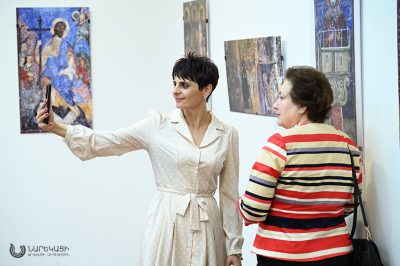
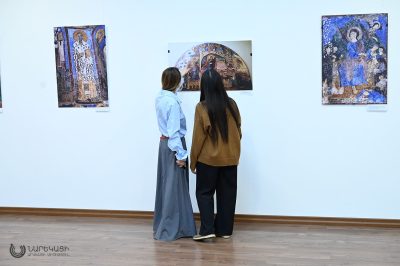
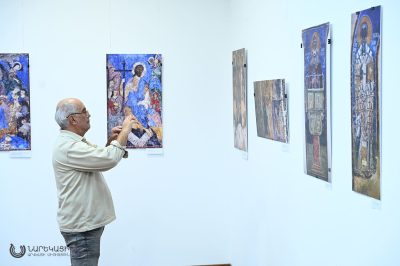
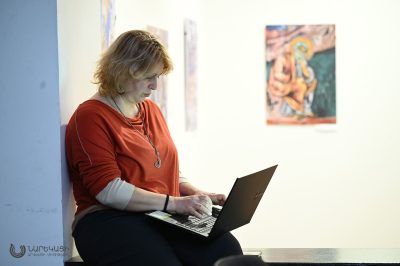
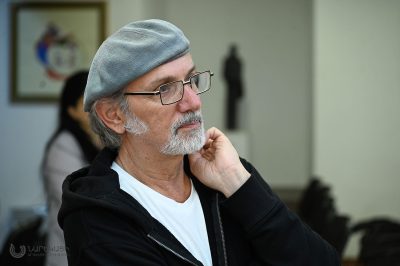
The NAI exhibition hall featured a photo series by photographer Hrair Hawk Khatcherian, highlighting the unique color palette of the murals—covering an area of approximately 1,000 square meters—preserved on the walls of Akhtala.
The frescoes of the Akhtala Monastery are not only exceptional treasures of medieval Armenian culture but also a testament to a unique convergence of various Christian cultural and theological traditions. Moreover, this was no accidental coincidence; rather, it was the result of a far-sighted initiative by the 13th-century princes Ivane and Zakare.
One of the most noteworthy aspects of Father Hetum’s presentation concerned the socio-political and propagandistic functions of the murals. Built in the 12th century by Princess Mariam, decorated in the 13th century by order of Ivane Zakaryan and handed over to the Chalcedonian Church, the temple was a unique platform. The Zakaryan brothers, leveraging the extensive privileges granted by Queen Tamar of Georgia and their significant influence at the royal court, not only sought to undertake initiatives beneficial to Armenia—utilizing Georgian forces to defend Armenian settlements—but also endeavored to unite Christians of various denominations against Mongol and Seljuk incursions.
Father Hetum noted that the Akhtala church features depictions of saints from various Christian traditions—saints who would not typically appear on the walls of an Orthodox church—such as Saint Benedict, Simeon Stylites, figures from the Syriac Church, and saints who originated from Mesopotamia. All of this points to Ivane’s far-sighted and significant objectives: he sought to transform Akhtala into a center for pan-Christian unity.
"When we look at the scene in the frescoes depicting Christ being taken to trial, the high priests Caiaphas and Annas are portrayed wearing turbans, while near the scene where Pilate washes his hands, there are soldiers wearing Turkish fezzes. This was a form of 'media influence' for that era. Ivane wanted Christians entering the monastery—upon seeing these scenes—to associate the Seljuk Turks with their own oppressors and those who tormented Christ," noted Ter Hetum.
Speaking about the fact that brothers Ivane and Zakare converted to Georgian Orthodoxy and were greatly criticized for it, the Father noted that their confessor was Archpriest Mkhitar Gosh. The Father emphasized that the archpriest of the Armenian Church could not continue to be the confessor of the converted brothers. Undoubtedly, the latter was well aware of the true objectives of the Zakaryans.
In his speech, the speaker also touched on the remarkable technical and linguistic details of the frescoes. There are three layers on the stone walls of the church: plaster, roughcast, and the final fresco. Armenian inscriptions are clearly legible on the preliminary sketches that have been uncovered in certain sections. At the same time, despite the Georgian inscriptions on the frescoes, numerous typos are observed in them. Since highly educated medieval muralists would not have made mistakes when writing in their native language, it can be inferred that the masters were not Georgian, but rather Greeks or Armenians.
Referring to the frequent disputes over the temple's affiliation, Father Hetum emphasized: "Many ask: is Akhtala Armenian, Georgian, or Greek? I say: it is Christian, it belongs to Christ." The church has had Armenian, Byzantine, and Georgian influences throughout its centuries-old history.
The Greeks who survived the Pontic Genocide and settled in Akhtala played a major role in preserving the church.
And in the 1930s, when the Bolsheviks were destroying church values (the iconostasis was also broken and sold), Russian archaeologist Lydia Durnova formed a group and copied the frescoes. Thanks to her efforts, the frescoes at Kobayr Monastery and the church at Kirants were also saved.
On the church’s altar is the image of the Holy Mother of God with the Infant Jesus. The face of the Holy Virgin was damaged during the Mongol invasions. One of the local residents of Akhtala recounted that, in his youth, he had seen the face of the Mother of God on the fresco, and that it was damaged at a later time due to rainwater.
Father Hetum, being familiar with that theory, stated that it was not actually a fresco, but rather a paper portrait, affixed to the wall, created by Sergei Parajanov for the filming of “The Color of Pomegranates”.
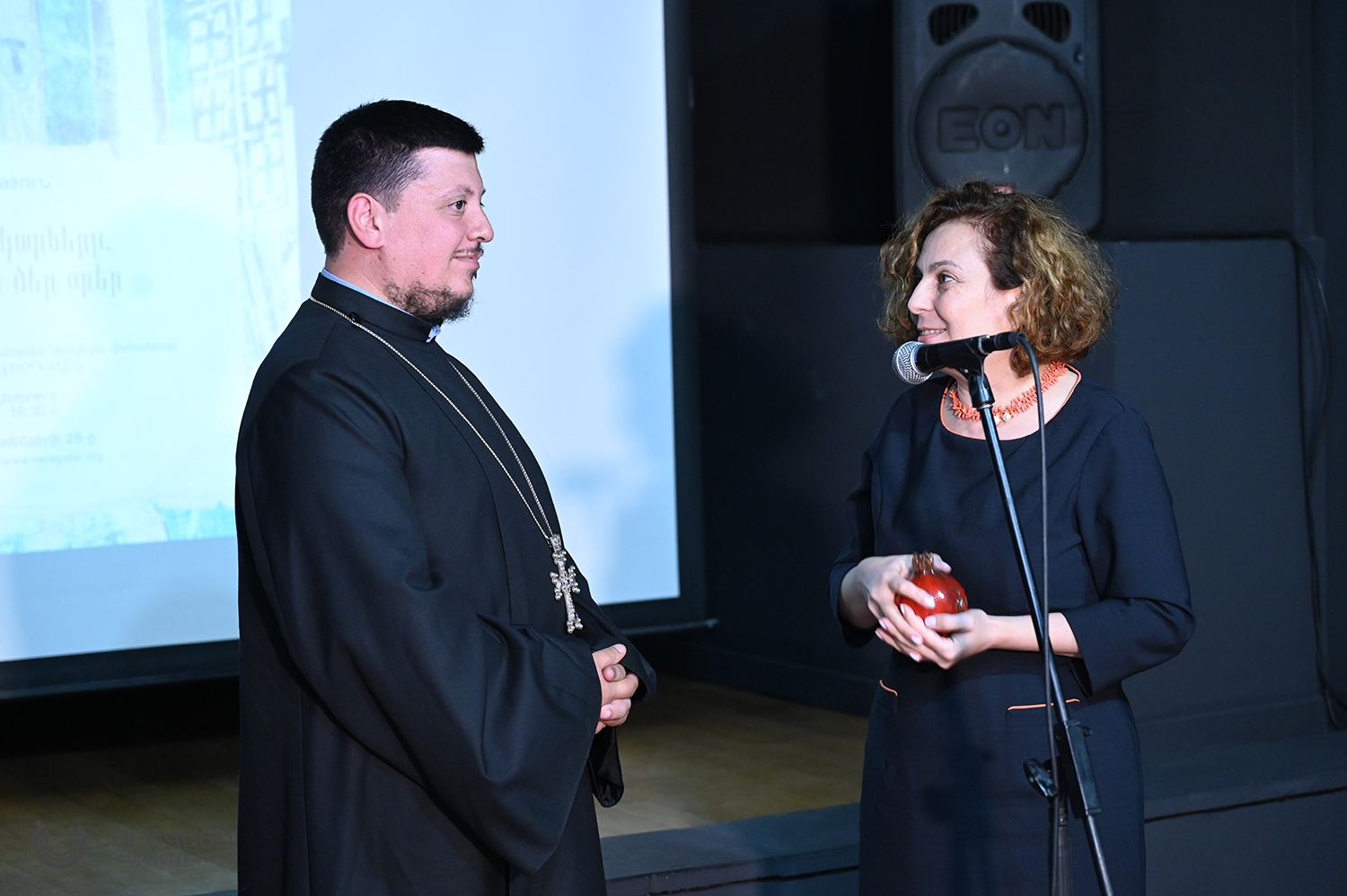
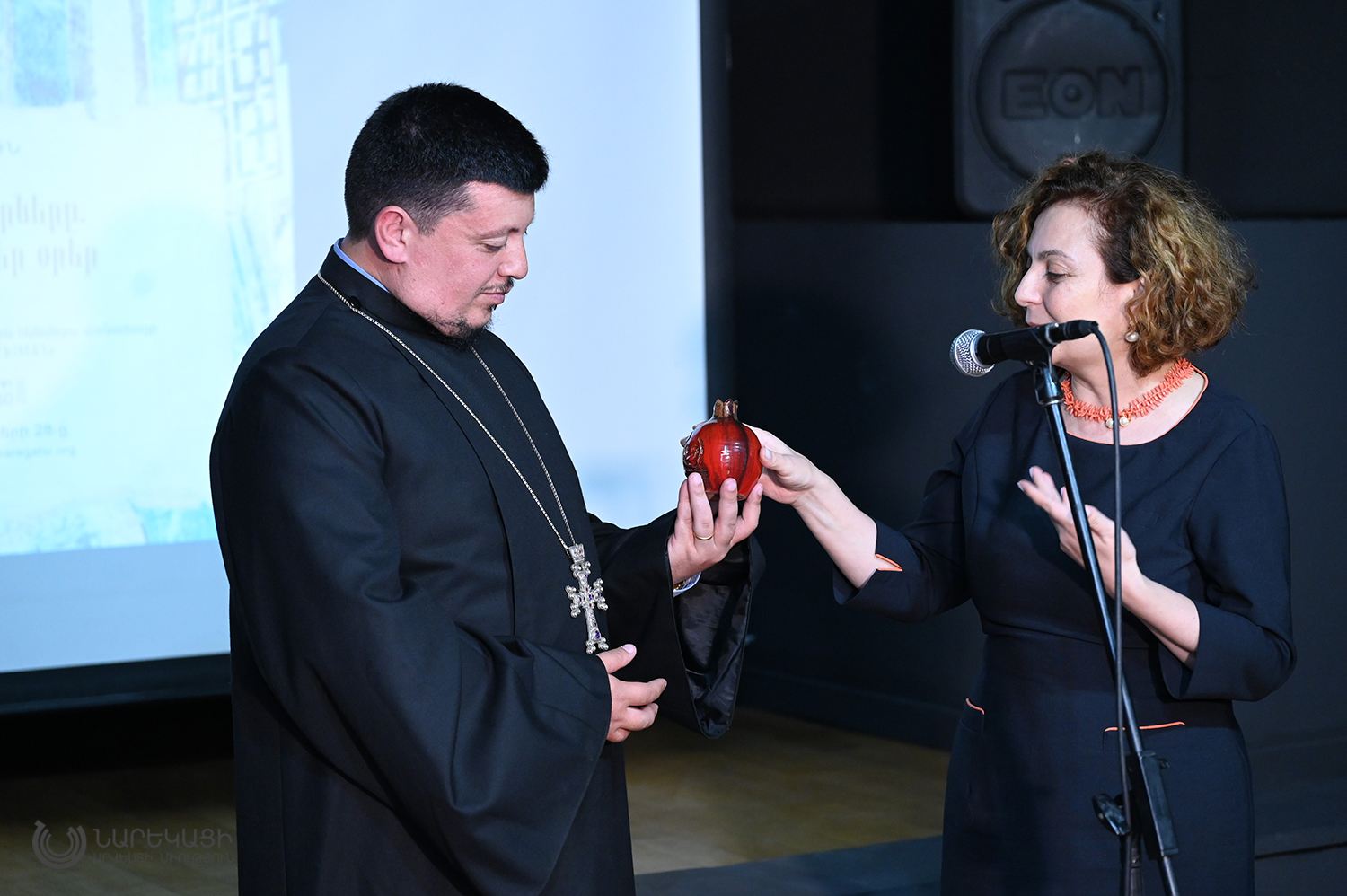
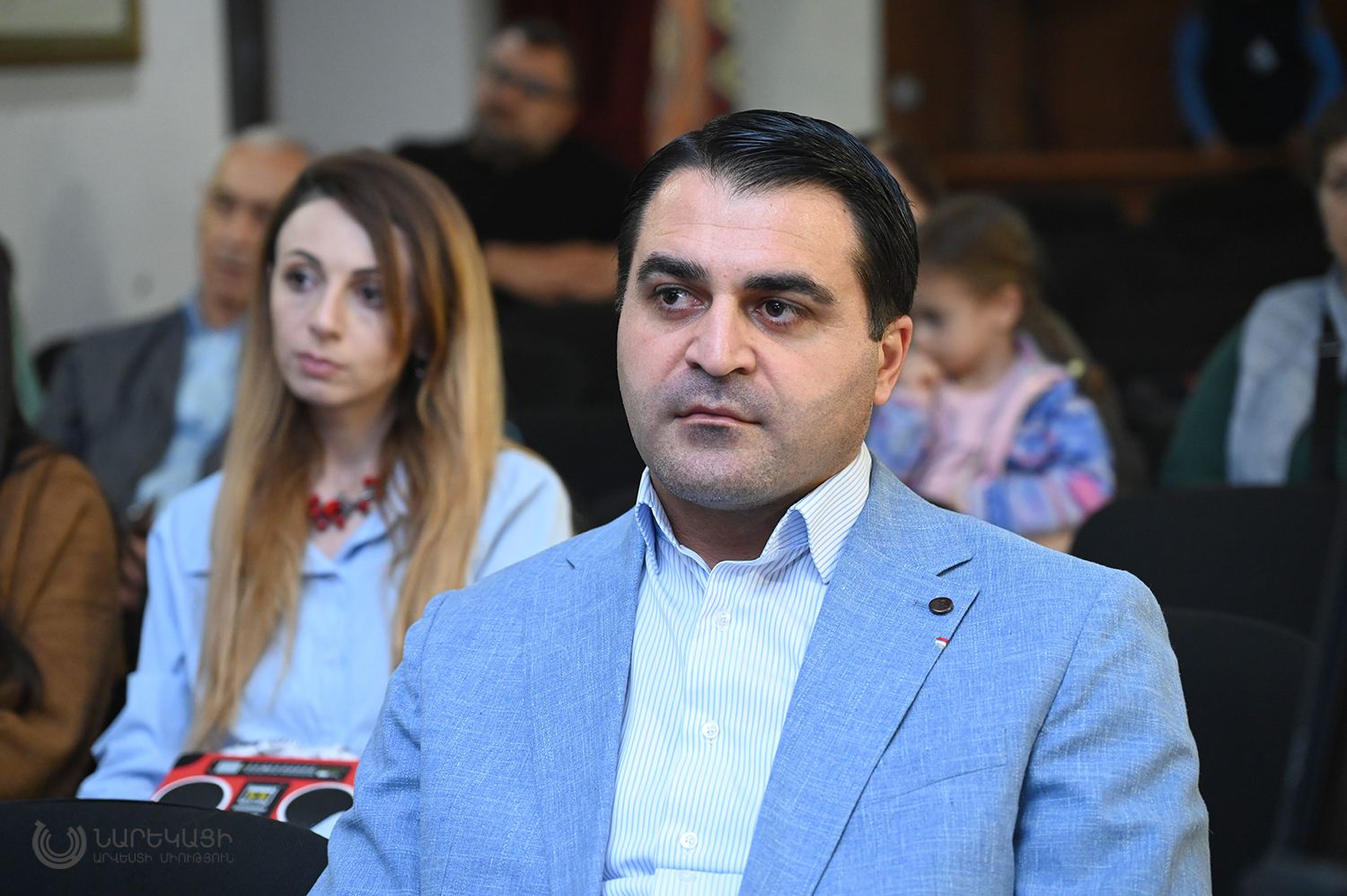
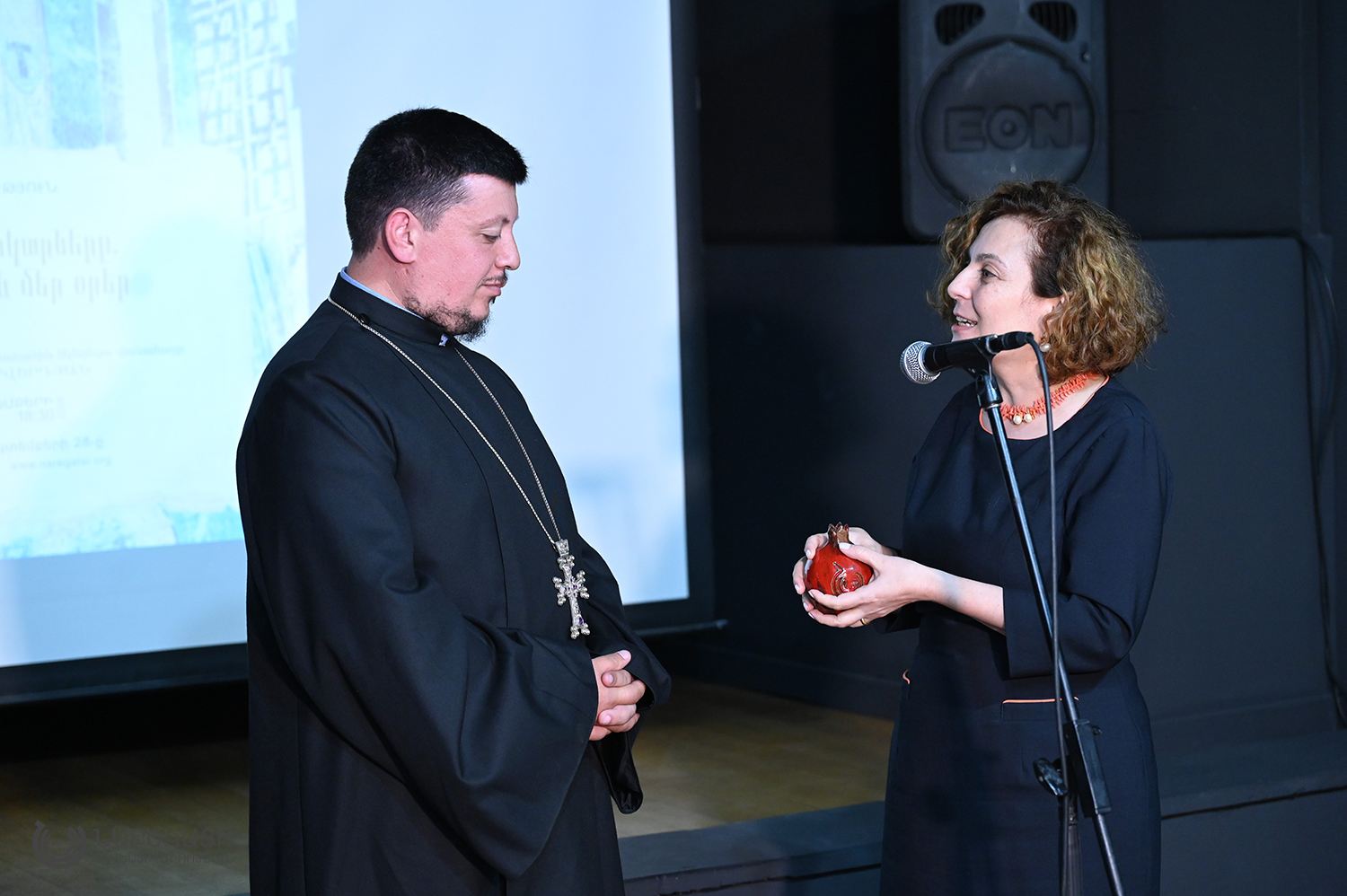
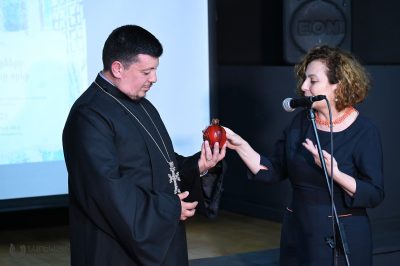
At the end of the event, Nareg Hartounian, founder of the Naregatsi Art Institute, presented Father Hetum Tarverdyan with his photography album and a wax angel.
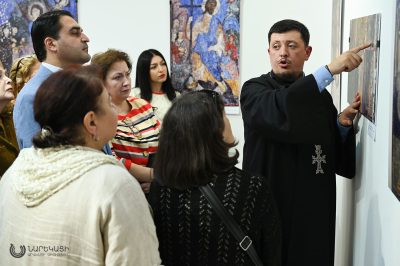
Then Father Hetum showed the encrypted symbols next to the displayed photos, one by one, which are not revealed to the viewer at first glance.
The exhibition is open until October 28.

















Support Culture
Naregatsi Art Institute is a 501(c)(3) not-for-profit organization registered in USA with its headquarters in Yerevan and Shushi. All donations are tax-deductible to the fullest extent allowable under the law.